The human brain, our most intimate organ, is becoming an open book through neurotechnology. As brain-computer interfaces advance rapidly, the data harvested from our neural activity raises unprecedented ethical questions we must address now.

🧠 The Dawn of Neurotechnology and Brain Data
We stand at a remarkable intersection of neuroscience, technology, and data science. Brain-computer interfaces (BCIs) are no longer confined to science fiction or medical laboratories. Companies like Neuralink, Kernel, and Emotiv are developing devices that can read, interpret, and potentially influence brain activity. This technological revolution promises extraordinary benefits: restoring mobility to paralyzed individuals, treating mental health conditions, and enhancing cognitive performance.
However, every advancement carries shadows. Brain data represents the most intimate information about a person—their thoughts, emotions, intentions, and mental states. Unlike financial data or browsing history, neural information reveals who we fundamentally are. The stakes couldn’t be higher as we navigate this uncharted ethical territory.
Current brain data collection methods range from non-invasive electroencephalography (EEG) headsets available to consumers, to functional magnetic resonance imaging (fMRI) used in research settings, to invasive neural implants being developed for medical purposes. Each method captures different aspects of brain activity, creating datasets that grow exponentially in complexity and sensitivity.
The Promise: Revolutionary Applications of Brain Data
Before exploring ethical concerns, we must acknowledge the transformative potential of brain data collection. Medical applications alone justify continued research and development in this field.
Medical Breakthroughs on the Horizon 🏥
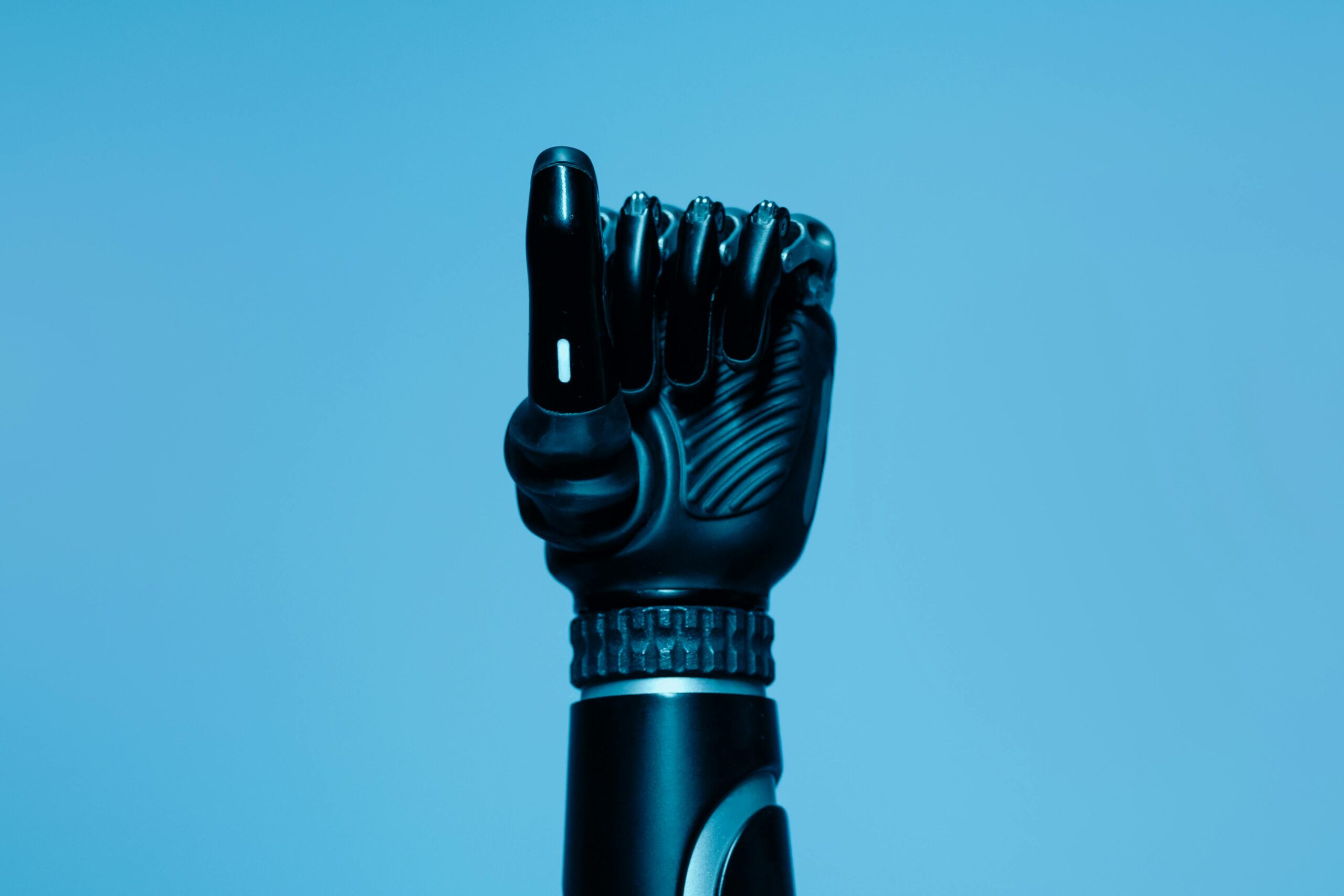
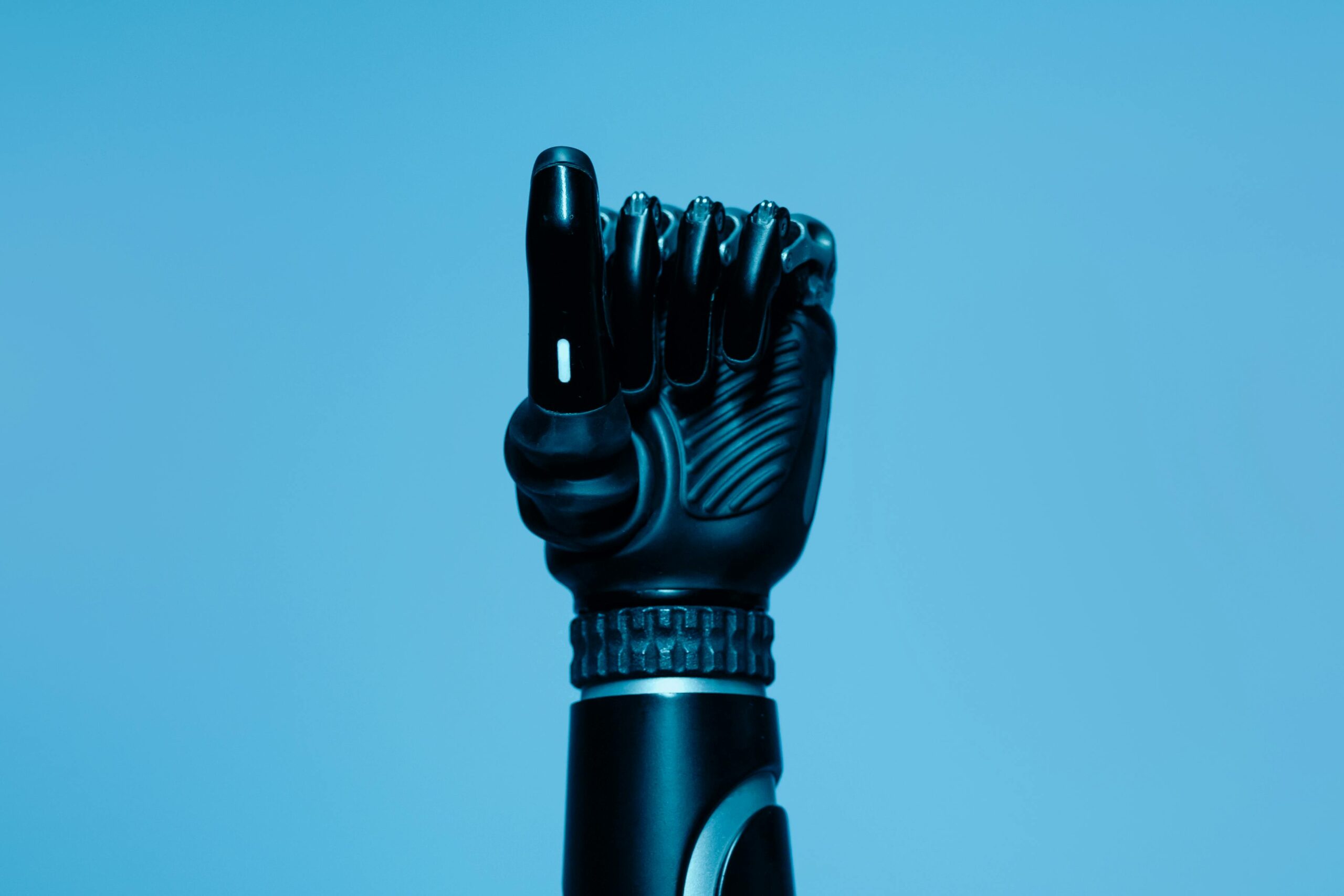
Neurological conditions affecting millions could be dramatically improved through brain data analysis. Epilepsy patients could receive warnings before seizures occur. Individuals with locked-in syndrome might communicate through thought alone. Prosthetic limbs could respond to neural commands as naturally as biological ones.
Mental health treatment stands to benefit enormously. Depression, anxiety, PTSD, and other conditions could be diagnosed earlier and treated more precisely when clinicians understand the specific neural patterns associated with each patient’s experience. Brain data could reveal which treatments work best for which individuals, moving psychiatry toward personalized medicine.
Neurodegenerative diseases like Alzheimer’s and Parkinson’s might be detected years before symptoms appear, when interventions could be most effective. Early biomarkers in brain data could save millions from cognitive decline.
Beyond Medicine: Enhancement and Communication
The applications extend beyond treating illness. Educational technology informed by brain data could adapt in real-time to students’ attention levels and comprehension. Workers in high-risk industries could be monitored for dangerous fatigue levels. Artists and athletes might optimize their performance by understanding their peak mental states.
Some envision brain-to-brain communication networks where thoughts transfer directly between individuals. While this remains largely theoretical, the underlying technologies are developing rapidly.
⚠️ The Peril: Unprecedented Privacy Vulnerabilities
The flip side of this promise is a privacy nightmare unlike anything we’ve confronted before. Brain data isn’t just sensitive—it’s existentially intimate.
Mental Privacy as a Fundamental Right
Our thoughts have always been our last refuge of absolute privacy. No government, corporation, or individual could access them without our explicit communication. Brain data collection threatens this fundamental sanctuary.
Consider the implications: Could employers screen job candidates for undesirable thought patterns? Might insurance companies deny coverage based on neural predispositions? Could governments identify dissidents by their brain activity before they act? These scenarios aren’t dystopian fiction—they’re plausible applications of current technology.
The concept of “cognitive liberty”—the right to mental self-determination—must be established as a fundamental human right. This includes the right to keep our neural data private, the right to modify our own minds, and protection from unwanted interference with our brain function.
Data Breaches of the Mind
Cybersecurity takes on new dimensions when the data being protected is neural. A healthcare data breach exposes medical history; a brain data breach exposes the person themselves. Hackers accessing brain databases could theoretically reconstruct private thoughts, emotional states, or mental health conditions.
The permanence of brain data compounds this concern. Your password can be changed after a breach; your neural patterns cannot. Once compromised, this data remains vulnerable forever.
Consent and Comprehension: The Knowledge Gap 📋
Informed consent forms the bedrock of ethical data collection, but brain data presents unique challenges to this principle.
The Complexity Barrier
How can individuals provide truly informed consent when few understand what brain data reveals? The average person cannot comprehend how machine learning algorithms might extract information from neural signals. They cannot anticipate how their brain data might be used a decade from now with more advanced analytical tools.
Research participants or consumers using brain-tracking devices may consent to data collection for stated purposes without understanding the broader implications. The consent process itself requires radical rethinking for neurotechnology.
Vulnerable Populations
Certain groups face heightened risks. Children using educational brain-tracking tools cannot provide meaningful consent. Patients with cognitive impairments may not understand what they’re agreeing to. Economically disadvantaged individuals might feel compelled to share brain data in exchange for services or compensation they desperately need.
Special protections for vulnerable populations must be embedded in any framework governing brain data collection.
🏛️ Regulatory Frameworks: Playing Catch-Up
Current data protection regulations, including the European Union’s General Data Protection Regulation (GDPR) and California’s Consumer Privacy Act (CCPA), weren’t designed with brain data in mind. While these frameworks provide some protections, they don’t address the unique characteristics of neural information.
The Need for Specialized Legislation
Several jurisdictions are beginning to recognize this gap. Chile became the first country to include “neurorights” in its constitution, establishing mental privacy as a fundamental right. Proposed legislation in other countries seeks to classify brain data as a distinct category requiring special protections.
Effective regulation must address several key areas:
- Strict limitations on who can collect brain data and for what purposes
- Mandatory transparency about data collection methods and uses
- Robust security requirements for storing and transmitting neural information
- Absolute prohibition on selling brain data without explicit consent
- Regular audits of organizations handling brain data
- Severe penalties for violations that reflect the sensitivity of the information
International Cooperation and Standards
Brain data doesn’t respect borders. International cooperation is essential to establish global standards that prevent regulatory arbitrage. Companies shouldn’t be able to exploit lenient jurisdictions while collecting data from citizens worldwide.
Organizations like the Organisation for Economic Co-operation and Development (OECD) and the World Health Organization (WHO) should prioritize developing international frameworks for neurotechnology governance.
Corporate Responsibility: Beyond Profit Motives 💼
Companies developing neurotechnology bear enormous ethical responsibilities. The pursuit of profit cannot override the protection of mental privacy.
Ethical Design Principles
Privacy by design must be the standard for brain data collection systems. This means building privacy protections into technologies from inception, not adding them as afterthoughts. Data minimization—collecting only what’s necessary—should be rigorously applied.
Companies should implement “mental firewalls” that prevent unintended data collection. If a device is designed to detect attention levels, it shouldn’t simultaneously harvest emotional state data unless absolutely necessary and explicitly consented to.
Transparency and Accountability
Organizations collecting brain data must operate with unprecedented transparency. Users should have access to understandable explanations of what data is collected, how it’s analyzed, who has access, and for what purposes it’s used.
Independent ethics boards should review neurotechnology products before they reach consumers. These boards should include neuroscientists, ethicists, privacy advocates, and community representatives—not just company employees.
🔬 The Research Dimension: Balancing Progress and Protection
Scientific research drives neurotechnology advancement, but researchers face their own ethical challenges with brain data.
Academic Oversight
Institutional review boards (IRBs) that evaluate research ethics need updated guidelines specifically addressing brain data studies. Traditional considerations around anonymization may be insufficient when neural patterns could potentially identify individuals.
Researchers must grapple with dual-use concerns—studies intended for beneficial purposes could potentially be weaponized. Publishing detailed methodologies for decoding specific mental states could enable malicious applications.
Open Science Versus Privacy
The scientific community values data sharing for reproducibility and acceleration of discovery. However, brain data cannot be freely shared in public repositories like other research data. Balancing open science principles with privacy protection requires innovative approaches like federated learning, where algorithms are shared but sensitive data remains localized.
Looking Forward: A Roadmap for Ethical Neurotechnology 🗺️
As we continue advancing into the neurotechnology age, several priorities must guide our path forward.
Public Education and Engagement
Society cannot make informed decisions about brain data without understanding the technology. Public education initiatives should explain neurotechnology in accessible terms, fostering informed debate about acceptable uses and necessary restrictions.
Engagement cannot be limited to experts. Community input should shape policies affecting brain data, ensuring regulations reflect public values, not just technical or commercial considerations.
Interdisciplinary Collaboration
Addressing brain data ethics requires expertise from multiple fields: neuroscience, ethics, law, computer science, psychology, sociology, and more. Interdisciplinary research centers focused specifically on neurotechnology ethics should be established and funded.
Adaptive Governance
Technology evolves faster than legislation. Regulatory frameworks must be adaptive, with built-in review mechanisms that allow updates as capabilities change. Flexible principles-based regulations may serve better than rigid rule-based approaches in this rapidly evolving field.
The Intersection of Identity and Data 🎭
Perhaps the deepest ethical question surrounding brain data concerns human identity itself. If our neural patterns can be read, stored, and analyzed, what does this mean for our sense of self?
Philosophers have long debated the relationship between mind and brain. Brain data collection transforms this abstract question into a practical concern. If a company possesses detailed maps of your neural activity, do they possess part of your identity? If algorithms can predict your decisions before you’re consciously aware of them, what happens to free will?
These questions don’t have easy answers, but they must be central to conversations about brain data ethics. Technology that affects our most fundamental sense of who we are requires the deepest moral consideration.
Building Trust Through Ethical Practice ✨
The future of neurotechnology depends on public trust. If brain-computer interfaces become associated with privacy violations and manipulation, beneficial applications will be rejected along with harmful ones.
Building this trust requires consistent ethical practice from everyone involved: researchers conducting studies with integrity, companies prioritizing user welfare over profits, regulators enforcing robust protections, and individuals demanding accountability.
Success stories should be celebrated and shared. When brain data helps someone regain lost abilities or manage a difficult condition, these outcomes demonstrate why we’re willing to navigate complex ethical terrain.
The Path We Choose Matters 🌟
Brain data collection represents a pivotal moment in human history. We’re developing capabilities that previous generations couldn’t imagine, opening doors to extraordinary possibilities while confronting profound risks.
The ethical landscape we navigate now will determine whether neurotechnology becomes a tool for human flourishing or a mechanism of unprecedented control and exploitation. Neither outcome is predetermined—we’re actively choosing our path through decisions made today.
Strong ethical frameworks, robust regulations, responsible corporate behavior, informed public engagement, and ongoing dialogue between stakeholders can guide neurotechnology toward beneficial applications while protecting mental privacy and cognitive liberty.
The human mind, in all its complexity and mystery, deserves nothing less than our most careful ethical consideration. As we unlock minds through technology, we must ensure we’re opening doors to possibility rather than cages of control. The stakes are too high, and the technology too powerful, for anything less than our most thoughtful and principled approach.
This moment calls for wisdom, courage, and collaboration across all boundaries. The ethical landscape of brain data collection is still being mapped. By engaging with these challenges now, seriously and comprehensively, we can shape a future where neurotechnology enhances human dignity rather than diminishing it—where minds are unlocked for growth, healing, and connection, not exploitation.