
Meditation is no longer just a spiritual practice—it’s a scientifically validated tool that rewires your brain, enhances cognitive function, and transforms mental health.

🧠 The Neuroscience Revolution Behind Meditation
For centuries, meditation was primarily associated with Eastern spiritual traditions and philosophical contemplation. Today, cutting-edge neuroscience has transformed our understanding of this ancient practice, revealing that meditation literally changes the physical structure of our brains. This groundbreaking discovery has revolutionized fields ranging from psychology and psychiatry to education and corporate wellness programs.
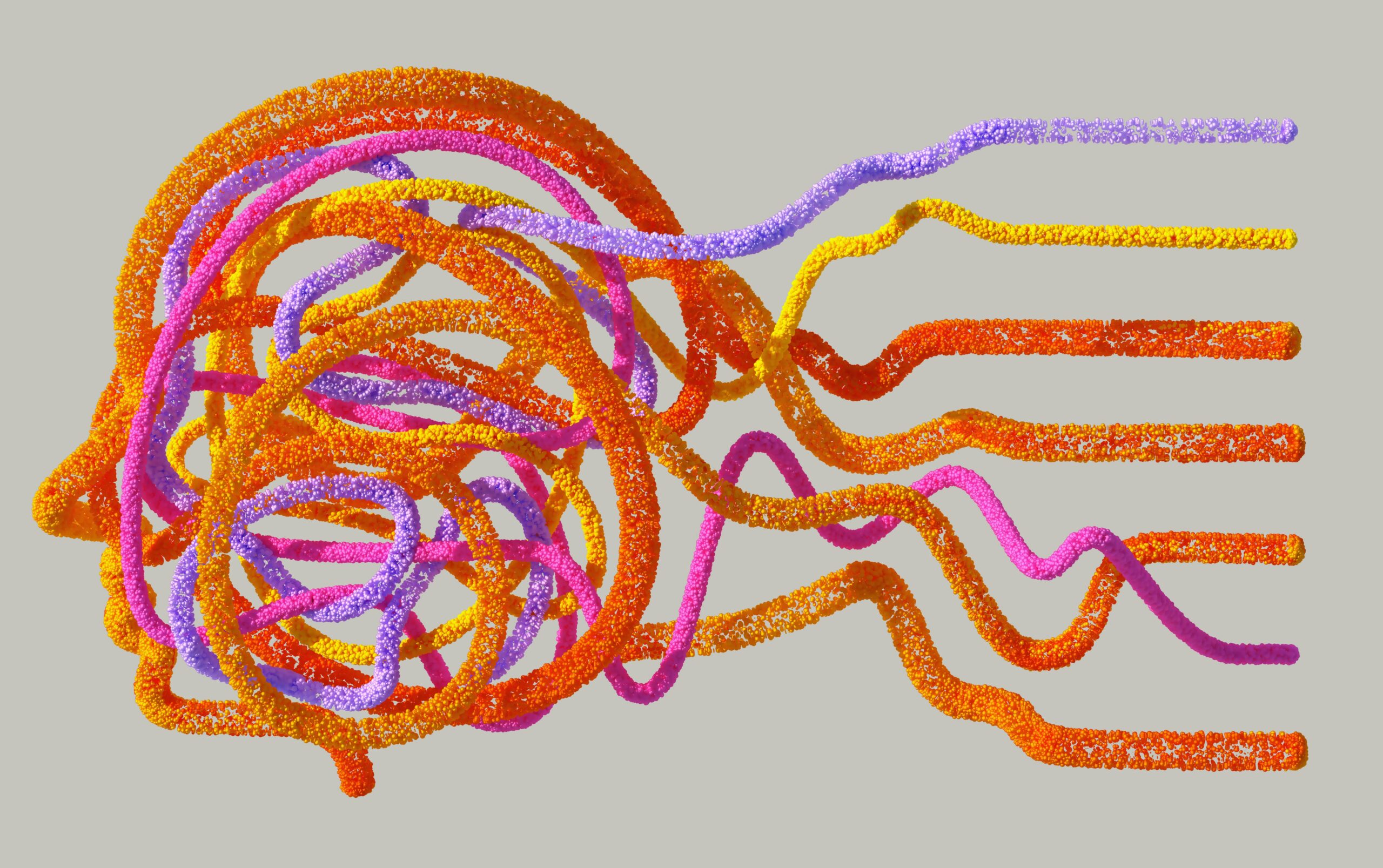
Brain plasticity, also known as neuroplasticity, refers to the brain’s remarkable ability to reorganize itself by forming new neural connections throughout life. This adaptive capacity means that our thoughts, behaviors, and experiences can fundamentally alter our brain’s architecture. Meditation has emerged as one of the most powerful tools for harnessing this plasticity intentionally and beneficially.
Research conducted at leading institutions like Harvard Medical School, the University of Wisconsin-Madison, and Stanford University has demonstrated that regular meditation practice produces measurable changes in brain regions associated with memory, empathy, stress regulation, and self-awareness. These aren’t subtle shifts—they’re significant structural and functional transformations visible through advanced neuroimaging techniques.
What Happens Inside Your Brain During Meditation
When you sit down to meditate, you’re not just relaxing—you’re engaging in a sophisticated mental workout that activates and strengthens specific neural networks. Modern brain scanning technologies like fMRI and EEG have allowed researchers to observe exactly what occurs in the brain during various meditation practices.
During focused attention meditation, where practitioners concentrate on a single object like the breath, the prefrontal cortex shows increased activity. This region governs executive functions including decision-making, attention regulation, and impulse control. Simultaneously, the default mode network—responsible for mind-wandering and self-referential thinking—becomes less active, explaining why meditators often report decreased rumination and anxiety.
Open monitoring meditation, where practitioners maintain awareness of all sensations without judgment, activates the insula and anterior cingulate cortex. These areas process interoceptive awareness and emotional regulation, helping practitioners develop greater sensitivity to their internal states and improved emotional balance.
The Gray Matter Growth Phenomenon
Perhaps the most remarkable finding in meditation research involves actual increases in gray matter density. Gray matter contains neuronal cell bodies and is crucial for processing information, muscle control, sensory perception, memory, emotions, and speech.
A landmark 2011 study published in Psychiatry Research: Neuroimaging found that participants in an eight-week Mindfulness-Based Stress Reduction (MBSR) program showed increased gray matter concentration in the hippocampus (important for learning and memory) and in structures associated with self-awareness, compassion, and introspection. Equally important, they observed decreased gray matter density in the amygdala, the brain region associated with anxiety and stress.
These structural changes weren’t minor—they were significant enough to be measurable through MRI scans after just eight weeks of practice, with participants meditating an average of only 27 minutes per day. This research fundamentally challenged the notion that brain structure is relatively fixed in adulthood.
🔄 Rewiring Your Stress Response System
One of meditation’s most valuable contributions to mental health involves restructuring how our brains respond to stress. The amygdala, often called the brain’s “alarm system,” initiates the fight-or-flight response when we perceive threats. In modern life, this system frequently overreacts to non-life-threatening situations like work deadlines, traffic jams, or social conflicts.
Regular meditation practice literally shrinks the amygdala while simultaneously strengthening the prefrontal cortex’s regulatory connection to this emotional center. This neuroplastic change means that meditators develop an improved capacity to respond thoughtfully rather than react impulsively to stressful situations.
Research led by Dr. Sara Lazar at Massachusetts General Hospital demonstrated that the amygdala’s reduction in size correlated directly with practitioners’ reported stress levels. This wasn’t just subjective perception—the physical brain changes matched the psychological improvements.
Cortisol, Inflammation, and Long-Term Health
The stress-reducing effects of meditation extend beyond immediate psychological benefits. Chronic stress elevates cortisol levels, which contributes to inflammation, weakened immune function, cardiovascular disease, and accelerated aging. By modulating the stress response through neuroplastic changes, meditation indirectly influences these physiological processes.
Studies have shown that experienced meditators exhibit lower baseline cortisol levels and reduced inflammatory markers like C-reactive protein and interleukin-6. These biological changes represent meditation’s potential not just as a mental health tool but as a comprehensive wellness intervention with far-reaching physical health implications.
Strengthening Attention and Cognitive Performance
In our distraction-filled digital age, attention has become a scarce resource. Meditation research reveals that this mental capacity isn’t fixed—it can be systematically enhanced through practice, thanks to the brain’s plastic nature.
The anterior cingulate cortex (ACC) plays a crucial role in attention regulation and conflict monitoring. Studies using diffusion tensor imaging have revealed that meditation increases the connectivity and efficiency of white matter tracts surrounding the ACC, effectively upgrading the brain’s attention infrastructure.
A study published in Psychological Science found that just two weeks of mindfulness training improved participants’ GRE reading comprehension scores and working memory capacity while reducing mind-wandering. These improvements weren’t modest—they represented significant cognitive enhancements achievable in a remarkably short timeframe.
The Focused Attention Training Effect
Different meditation styles train attention in distinct ways, each producing specific neuroplastic adaptations. Focused attention meditation strengthens sustained attention—the ability to maintain focus on a chosen object over extended periods. This practice particularly develops the dorsolateral prefrontal cortex, a region critical for maintaining attention despite distractions.
Open monitoring meditation, conversely, enhances the brain’s ability to detect novel stimuli and maintain flexible awareness. This practice strengthens meta-awareness—the capacity to recognize when attention has wandered and gently redirect it—a skill with applications far beyond formal meditation sessions.
💚 Cultivating Compassion Through Neural Rewiring
Some of the most fascinating meditation research explores practices specifically designed to cultivate compassion and loving-kindness. These techniques don’t just make practitioners feel warmer toward others—they physically reconfigure brain networks involved in empathy and social connection.
Compassion meditation activates and strengthens the insula and temporal parietal junction, regions associated with empathy and perspective-taking. Research by Dr. Richard Davidson at the University of Wisconsin-Madison found that even short-term compassion training increased activity in these areas when participants viewed images of human suffering.
More remarkably, long-term practitioners showed enhanced gamma wave synchrony—a neural signature associated with heightened consciousness and cognitive processing. Some experienced meditators displayed gamma wave activity at levels never before recorded in neuroscience literature, suggesting that meditation can unlock extraordinary neural states.
The Social Brain and Relationship Benefits
The neuroplastic changes produced by compassion-focused meditation extend into real-world social behaviors. Studies have documented that practitioners become more prosocial, exhibiting increased willingness to help others, greater generosity, and improved relationship satisfaction.
These behavioral changes correlate with strengthened connections between the prefrontal cortex and limbic regions, creating more integrated emotional-cognitive processing. This integration allows practitioners to respond to others’ distress with both emotional resonance and cognitive clarity—the foundation of genuine compassion rather than mere sympathy or emotional overwhelm.
🎯 Meditation’s Impact on Depression and Anxiety
The neuroplastic effects of meditation have profound implications for treating mental health conditions, particularly depression and anxiety disorders. Traditional treatments often rely on medication that alters neurochemistry temporarily; meditation offers a complementary approach that produces lasting structural brain changes.
Depression is associated with hyperactivity in the default mode network, leading to excessive rumination and negative self-referential thinking. Meditation systematically deactivates this network while strengthening executive control regions, effectively interrupting depressive thought patterns at a neural level.
A meta-analysis published in JAMA Internal Medicine reviewed 47 trials and concluded that mindfulness meditation programs showed moderate evidence of improving anxiety and depression, with effect sizes comparable to antidepressant medications but without side effects.
Breaking the Cycle of Anxious Thinking
Anxiety disorders involve an overactive threat detection system and impaired emotional regulation. The neuroplastic changes meditation produces—particularly the strengthened prefrontal-amygdala connection and reduced amygdala reactivity—directly address these neural dysfunctions.
Research has shown that meditation-based interventions reduce anxiety more effectively than many conventional stress management techniques. Importantly, these benefits persist long after formal training ends, suggesting that the underlying neural changes are relatively stable once established.
Age-Related Cognitive Decline and Brain Preservation
Perhaps one of meditation’s most exciting applications involves protecting the aging brain. As we age, cortical thickness naturally decreases, contributing to cognitive decline. Remarkably, meditation appears to slow or even reverse this process.
Research comparing the brains of experienced meditators with age-matched controls found that meditators showed less age-related gray matter atrophy, particularly in the prefrontal cortex. Some studies suggest that meditation might preserve cognitive function by as much as seven to ten years compared to non-meditators.
The mechanisms likely involve multiple pathways: reduced stress-related neurotoxicity, enhanced neurogenesis in the hippocampus, improved vascular health, and decreased inflammation. Together, these factors create a neuroprotective environment that helps maintain cognitive vitality into older age.
🚀 Practical Applications: Translating Research Into Practice
Understanding the neuroscience of meditation is fascinating, but the real question is: how can we harness these insights practically? The good news is that significant neuroplastic changes don’t require monastic levels of practice—even modest daily meditation produces measurable benefits.
Most research showing structural brain changes involves 20-30 minutes of daily practice over 8-12 weeks. This represents a remarkably modest investment for potentially life-changing neurological benefits. The key is consistency rather than marathon sessions—regular practice creates the repetitive neural activation necessary for lasting plasticity.
Starting Your Neuroplastic Journey
If you’re new to meditation, begin with simple focused attention on the breath. This foundational practice activates the core neural networks involved in attention regulation and present-moment awareness. As these networks strengthen, you’ll naturally find it easier to maintain focus and manage distracting thoughts.
Consider these evidence-based guidelines for maximizing neuroplastic benefits:
- Practice daily, even if only for 10-15 minutes initially
- Choose a consistent time and location to build habit strength
- Be patient—significant structural changes typically emerge after 6-8 weeks
- Combine different meditation styles to develop multiple neural capacities
- Use guided meditation apps when helpful, but also practice in silence
- Remember that difficulty and mind-wandering are normal parts of the process
The Future of Meditation Research and Brain Science
We’re still in the early stages of understanding meditation’s full neuroplastic potential. Emerging research areas include exploring how meditation influences gene expression, examining its effects on cellular aging through telomere preservation, and investigating whether benefits can be transmitted across generations through epigenetic mechanisms.
Advanced neuroimaging techniques are revealing ever-more-detailed information about how specific meditation components produce particular neural effects. This precision understanding may eventually allow for customized meditation prescriptions tailored to individual neural profiles and therapeutic goals.
The integration of meditation into mainstream healthcare, education, and workplace wellness programs continues expanding as the evidence base grows. What was once dismissed as pseudoscience is now recognized as a legitimate intervention with measurable biological effects.
🌟 Your Brain’s Potential Awaits
The research on meditation and brain plasticity represents more than academic curiosity—it fundamentally challenges assumptions about the fixedness of human nature. Your brain isn’t a static organ determined entirely by genetics and early life experiences; it’s a dynamic system that responds to how you direct your attention and awareness.
Every moment of meditation is an investment in your brain’s architecture, systematically strengthening beneficial neural networks while allowing maladaptive patterns to weaken. The ancient contemplatives who developed these practices couldn’t see the neuroplastic changes they were creating, but they experienced the transformed consciousness these changes produced.
Today, we have the unique privilege of understanding both the subjective experience and objective neuroscience of meditation. This integrated knowledge empowers us to approach practice with both wisdom and scientific confidence, knowing that the time invested yields concrete biological returns.
The journey of meditation isn’t about reaching some perfect state of permanent enlightenment—it’s about progressively reshaping your brain in ways that support greater well-being, clearer thinking, deeper compassion, and more authentic living. The neuroplastic potential is already present within your brain, waiting to be activated through sustained, mindful practice. The question isn’t whether meditation can change your brain—science has definitively answered that. The only remaining question is: will you begin the practice that unlocks this transformative power?