
Your brain is an extraordinary organ capable of far more than you might realize. By understanding and harnessing brainwave synchronization, you can unlock cognitive abilities you never knew existed.

🧠 The Science Behind Your Brain’s Electrical Symphony
Every thought, emotion, and sensation you experience is accompanied by electrical activity in your brain. These electrical impulses, known as brainwaves, oscillate at different frequencies depending on your mental state. When these brainwaves synchronize across different regions of your brain, something remarkable happens: your cognitive performance reaches new heights.
Brainwave synchronization, also called neural entrainment or hemispheric synchronization, occurs when different parts of your brain begin firing in harmony. This coherent activity allows for enhanced communication between brain regions, leading to improved focus, creativity, memory, and overall cognitive function.
Scientists have identified five primary types of brainwaves, each associated with specific mental states. Beta waves (12-30 Hz) dominate during active thinking and problem-solving. Alpha waves (8-12 Hz) emerge during relaxed awareness. Theta waves (4-8 Hz) appear during deep meditation and light sleep. Delta waves (0.5-4 Hz) characterize deep sleep. Gamma waves (30-100 Hz) are linked to peak cognitive performance and heightened perception.
Understanding the Power of Neural Coherence
When your brainwaves synchronize, your neurons fire together in coordinated patterns rather than chaotically. This coherence creates a more efficient neural network, allowing information to flow seamlessly throughout your brain. Think of it like an orchestra where all musicians play in perfect harmony versus each playing their own tune.
Research has shown that individuals with higher levels of brainwave synchronization demonstrate superior cognitive abilities across multiple domains. They solve problems faster, recall information more accurately, and exhibit greater creativity in their thinking processes.
The prefrontal cortex, your brain’s executive control center, particularly benefits from synchronized activity. When this region operates in coherence with other brain areas, you experience improved decision-making, emotional regulation, and impulse control.
The Role of Gamma Waves in Peak Performance
Gamma brainwaves deserve special attention because they represent the highest frequency brain activity associated with conscious awareness. These rapid oscillations occur when your brain integrates information from different areas simultaneously, creating moments of insight and profound understanding.
Studies of experienced meditators, elite athletes, and high-performing individuals reveal elevated gamma wave activity during peak states. This correlation suggests that training your brain to produce more synchronized gamma waves could enhance your cognitive capabilities significantly.
🎯 Practical Techniques for Brainwave Synchronization
You don’t need expensive equipment or years of training to begin synchronizing your brainwaves. Several accessible techniques can help you achieve greater neural coherence starting today.
Binaural Beats: Your Gateway to Entrainment
Binaural beats offer one of the most straightforward methods for influencing your brainwave patterns. This technique involves listening to two slightly different frequencies in each ear. Your brain perceives a third “phantom” frequency equal to the difference between the two tones.
For example, if you hear a 200 Hz tone in your left ear and a 210 Hz tone in your right ear, your brain perceives a 10 Hz frequency corresponding to alpha waves. This process gradually entrains your brainwaves to match the desired frequency.
To use binaural beats effectively, find a quiet space, use quality headphones, and listen for at least 15-30 minutes. Different frequencies target different outcomes: alpha waves for relaxation, beta waves for focus, theta waves for creativity, and gamma waves for peak performance.
Meditation: The Ancient Path to Modern Cognition
Meditation remains one of the most powerful tools for achieving brainwave synchronization. Regular meditation practice increases coherence between different brain regions while promoting the production of alpha and theta waves associated with deep relaxation and insight.
Begin with just five minutes daily, focusing on your breath or a simple mantra. As thoughts arise, acknowledge them without judgment and return your attention to your focal point. Over time, this practice strengthens your ability to achieve and maintain synchronized brain states.
Advanced meditators show remarkable increases in gamma wave synchronization, particularly during states of compassionate awareness and focused attention. This neural signature corresponds with reports of heightened clarity and expanded consciousness.
Neurofeedback: Training Your Brain in Real-Time
Neurofeedback technology allows you to observe your brainwave activity in real-time and learn to control it consciously. During a neurofeedback session, sensors placed on your scalp detect your brain’s electrical activity while you watch visual or auditory feedback on a screen.
When your brain produces the desired brainwave patterns, you receive positive feedback through pleasant sounds or images. This immediate reinforcement helps your brain learn to reproduce these beneficial patterns more consistently.
While professional neurofeedback sessions can be expensive, consumer-grade devices have become increasingly available and affordable. These tools provide a practical entry point for those interested in direct brain training.
Breathwork Techniques for Instant Neural Shifts
Your breathing pattern directly influences your brainwave activity. Slow, rhythmic breathing promotes alpha and theta wave production, while rapid breathing can increase beta wave activity. By consciously controlling your breath, you can shift your brain state within minutes.
Try this simple coherent breathing exercise: inhale for five counts, exhale for five counts, and maintain this rhythm for five minutes. This pattern optimizes heart rate variability and promotes synchronized brainwave activity throughout your cortex.
💡 Lifestyle Factors That Enhance Neural Synchronization
Beyond specific techniques, several lifestyle factors significantly impact your brain’s ability to achieve and maintain synchronized states. Optimizing these elements creates a foundation for superior cognitive performance.
Sleep: Your Brain’s Synchronization Reset
Quality sleep is non-negotiable for optimal brainwave synchronization. During deep sleep stages, your brain produces synchronized delta waves that facilitate memory consolidation, cellular repair, and neural detoxification. Sleep deprivation disrupts these processes and fragments your brainwave patterns during waking hours.
Aim for seven to nine hours of sleep nightly, maintaining consistent sleep and wake times even on weekends. Create a dark, cool sleeping environment and avoid screens for at least one hour before bed to support natural melatonin production.
Nutrition for Neural Coherence
Your brain requires specific nutrients to maintain optimal electrical activity and synchronization. Omega-3 fatty acids support myelin production, improving signal transmission between neurons. B vitamins facilitate neurotransmitter synthesis. Magnesium regulates neuronal excitability.
Consider incorporating these brain-boosting foods into your diet:
- Fatty fish rich in omega-3s like salmon, mackerel, and sardines
- Leafy greens packed with folate and other B vitamins
- Nuts and seeds containing magnesium and vitamin E
- Berries loaded with antioxidants that protect neural tissue
- Dark chocolate with flavonoids that enhance cerebral blood flow
Physical Exercise: Moving Your Body, Synchronizing Your Brain
Regular physical activity profoundly impacts brainwave patterns and neural synchronization. Exercise increases blood flow to the brain, promotes neuroplasticity, and triggers the release of brain-derived neurotrophic factor (BDNF), which supports the growth and connection of neurons.
Aerobic exercise particularly enhances the production of alpha waves associated with relaxed alertness. Meanwhile, mind-body practices like yoga and tai chi promote gamma wave synchronization through their combination of movement, breath control, and focused awareness.
🔬 Measuring Your Progress: Tools and Indicators
As you implement these techniques, you’ll want to track your progress. While subjective improvements in focus, creativity, and mental clarity provide valuable feedback, objective measurements can offer additional insights.
Consumer EEG Devices
Several affordable electroencephalography (EEG) headsets now allow you to monitor your brainwave activity at home. These devices typically connect to smartphone apps that display real-time data about your brain’s electrical patterns and synchronization levels.
While less precise than clinical-grade equipment, consumer EEG devices provide useful feedback for tracking trends and understanding how different activities affect your brainwave states. Regular monitoring helps you identify which techniques work best for your unique neurology.
Cognitive Performance Metrics
Track objective measures of cognitive performance to assess the real-world impact of improved brainwave synchronization. Consider monitoring these indicators:
- Working memory capacity using digit span or similar tests
- Processing speed through reaction time measurements
- Attention span by tracking how long you can maintain focus on demanding tasks
- Creative output by noting the quantity and quality of novel ideas generated
- Problem-solving efficiency measured by time and accuracy on complex puzzles
Advanced Applications: Beyond Basic Cognition
As your ability to achieve and maintain brainwave synchronization improves, you can explore more advanced applications of this skill. Peak performers across various domains leverage neural coherence to achieve extraordinary results.
Flow States and Optimal Performance
The flow state, characterized by complete absorption in an activity and peak performance, correlates strongly with specific brainwave patterns. During flow, alpha waves increase in the prefrontal cortex while transient hypofrontality temporarily reduces self-monitoring and critical thinking.
This neural signature allows for automatic, intuitive performance where skills are executed effortlessly without conscious interference. By training your brain to achieve these patterns more readily, you can access flow states more consistently.
Enhanced Learning and Memory Consolidation
Brainwave synchronization plays a crucial role in learning and memory formation. Theta wave activity in the hippocampus facilitates the encoding of new information, while synchronized replay during sleep consolidates memories for long-term storage.
You can optimize learning by timing study sessions to align with natural peaks in alpha and theta wave production, typically occurring during mid-morning and early evening for most people. Combine this timing with brief meditation sessions before studying to prime your brain for optimal information absorption.
🚀 Creating Your Personal Synchronization Protocol
The most effective approach to harnessing brainwave synchronization combines multiple techniques tailored to your specific goals, lifestyle, and preferences. Start by implementing one or two methods consistently before adding additional practices.
Sample Daily Protocol for Enhanced Cognition
Consider this framework as a starting point, adjusting based on your schedule and responses:
| Time | Activity | Target Brainwave |
|---|---|---|
| Morning (7:00 AM) | 10-minute meditation | Alpha/Theta |
| Mid-Morning (10:00 AM) | Focused work with beta binaural beats | Beta/Gamma |
| Afternoon (2:00 PM) | Creative session with theta binaural beats | Theta/Alpha |
| Evening (6:00 PM) | Exercise (30 minutes) | Alpha |
| Before Bed (9:30 PM) | Coherent breathing + alpha binaural beats | Alpha/Theta |
Troubleshooting Common Challenges
Many people encounter obstacles when beginning brainwave synchronization practices. If you struggle to notice improvements, ensure you’re practicing consistently for at least 21 days, as neural changes require time to manifest. Experiment with different techniques to find what resonates with your nervous system.
If you experience headaches or overstimulation from binaural beats, reduce the volume and duration. Start with shorter sessions and gradually increase as your brain adapts. Some individuals respond better to isochronic tones or other forms of auditory entrainment.
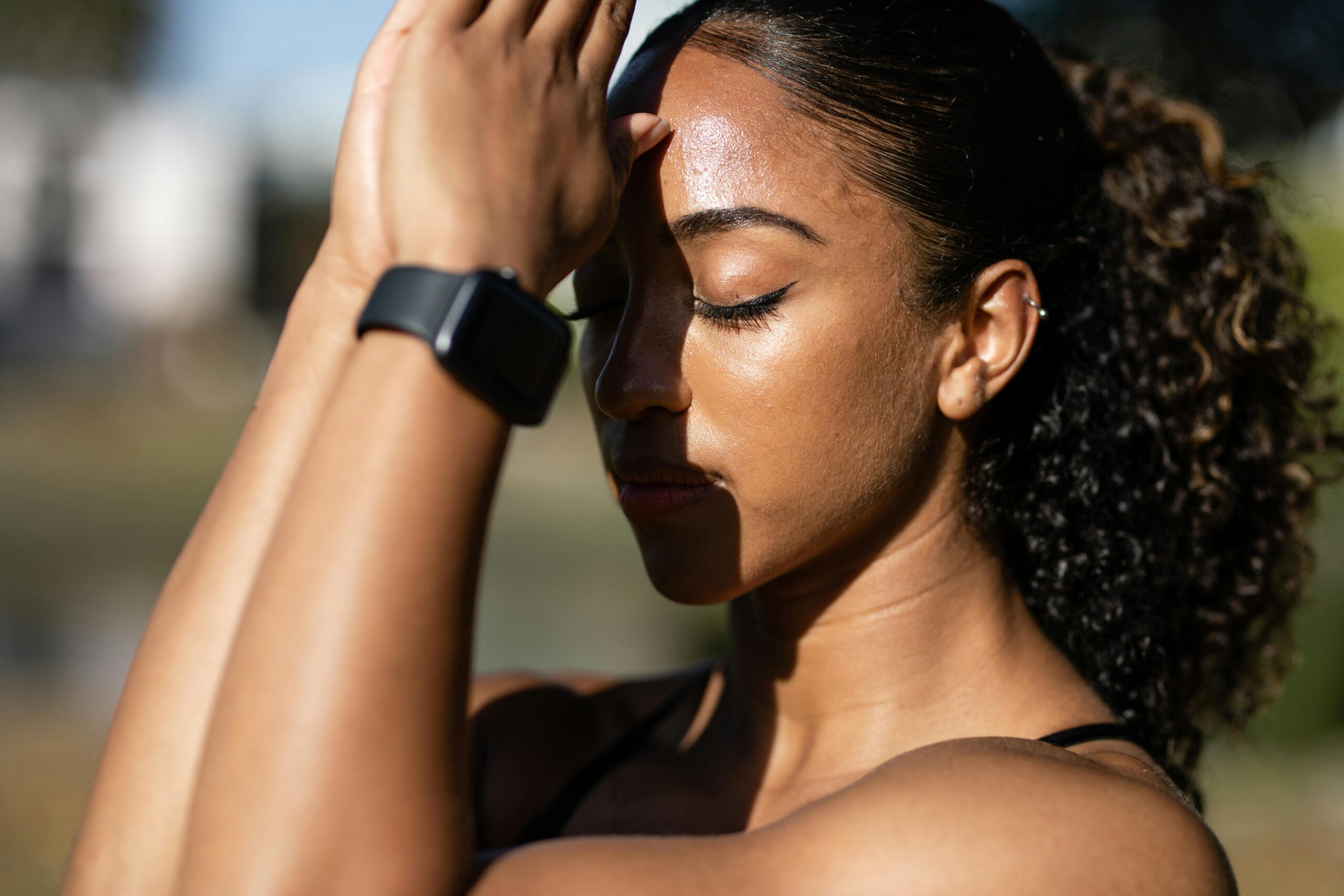
Integrating Synchronization into Peak Performance
The ultimate goal isn’t just achieving brainwave synchronization in isolated practice sessions but integrating this enhanced neural coherence into your daily activities. With consistent training, synchronized brain states become more accessible, allowing you to operate at higher cognitive levels throughout your day.
Elite performers across domains—from business executives to athletes to artists—report that regular synchronization practices create a foundation of mental clarity and resilience that carries through all activities. You become more adaptable, creative, and capable of sustained excellence.
Your brain possesses extraordinary potential waiting to be unleashed. By understanding and actively working with your brainwave patterns, you can access cognitive capabilities that transform how you think, create, and perform. The journey toward enhanced neural synchronization requires patience and consistency, but the rewards—sharper focus, deeper insights, improved memory, and peak performance—make the effort profoundly worthwhile.
Start today with just one technique, observe the changes in your mental state and cognitive performance, and gradually expand your practice. Your synchronized brain will thank you with capabilities you never imagined possible. 🌟