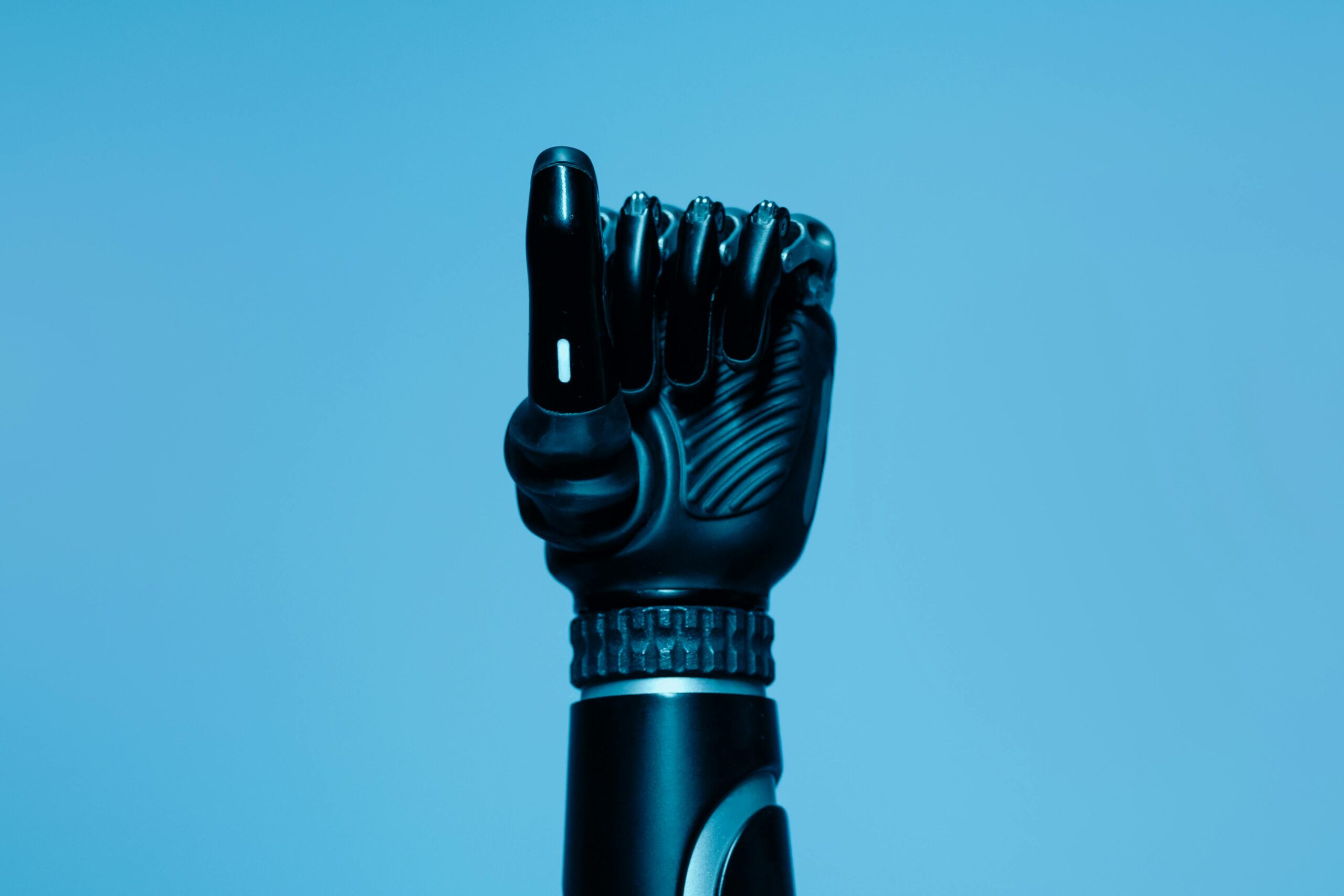
The boundary between human and machine is blurring faster than ever, raising profound questions about identity, consciousness, and what it truly means to be human in an increasingly technological world.

🤖 When Silicon Meets Neurons: Our Evolving Reality
We stand at a remarkable crossroads in human history. Brain-computer interfaces, neural implants, and artificial intelligence are no longer confined to science fiction novels or distant futures. Companies like Neuralink, Synchron, and Kernel are actively developing technologies that could fundamentally alter how we think, communicate, and experience reality. These innovations promise unprecedented medical breakthroughs, from restoring mobility to paralyzed individuals to potentially enhancing cognitive abilities beyond natural limits.
The integration of technology into the human body and mind represents both humanity’s greatest achievement and its most challenging ethical frontier. As we venture deeper into this uncharted territory, we must grapple with questions that previous generations never imagined facing. What happens to human autonomy when algorithms influence our thoughts? Who owns the data generated by our neural activity? Can we maintain our humanity while augmenting ourselves with machines?
The Promise: Medical Miracles and Human Enhancement
The potential benefits of human-machine integration are staggering. Current brain-computer interfaces have already enabled paralyzed patients to control robotic limbs with their thoughts, allowing them to regain independence and quality of life. Neural implants have helped restore hearing to the deaf and partial vision to the blind. These achievements represent just the beginning of what might be possible.
Beyond therapeutic applications, enhancement technologies could revolutionize human capabilities. Imagine being able to learn new languages instantly through direct brain uploads, access cloud-based information through thought alone, or communicate telepathically across continents. Memory augmentation could help us preserve precious moments with perfect clarity or assist those suffering from degenerative cognitive conditions.
Current Technological Milestones
Several groundbreaking projects are already showing remarkable results. Cochlear implants have restored hearing to hundreds of thousands of people worldwide. Retinal prostheses are helping some blind individuals perceive light and shapes. Deep brain stimulation has provided relief for patients with Parkinson’s disease, depression, and obsessive-compulsive disorder.
More advanced systems are emerging rapidly. Researchers have successfully enabled paralyzed individuals to type using only their thoughts at speeds approaching normal typing rates. Others have created systems that translate brain signals into synthesized speech, giving voice to those who have lost the ability to speak naturally.
⚖️ The Ethical Minefield We Must Navigate
Despite the tremendous promise, human-machine integration raises profound ethical concerns that society must address before these technologies become widespread. These dilemmas touch on fundamental aspects of human existence, from privacy and consent to identity and inequality.
The Question of Cognitive Liberty
Perhaps the most fundamental concern involves cognitive liberty—the right to control one’s own mental processes. If brain-computer interfaces can read our thoughts and neural activity, who has access to that information? Could governments, employers, or corporations demand access to our mental data? The concept of privacy takes on entirely new dimensions when our innermost thoughts could potentially be monitored, recorded, or even altered.
Current legal frameworks offer virtually no protection for neural data. Unlike medical records or genetic information, brain activity data exists in a regulatory vacuum. This gap becomes particularly troubling when considering that machine learning algorithms could potentially decode intentions, preferences, or memories from neural patterns before we’re even consciously aware of them ourselves.
Identity and the Self in Question
Human-machine integration challenges our understanding of personal identity. If we augment our memory with artificial storage, replace damaged brain tissue with synthetic alternatives, or enhance our cognitive abilities with AI, at what point do we cease being our original selves? This modern twist on the ancient Ship of Theseus paradox has real implications for legal personhood, criminal responsibility, and personal relationships.
The integration of AI systems with human cognition raises even more perplexing questions. If an AI assists in making our decisions or contributes to our thought processes, who is truly responsible for those choices? How do we distinguish between authentically human thoughts and machine-generated suggestions that feel like our own ideas?
💰 The Inequality Equation: Who Gets Enhanced?
Perhaps no ethical concern looms larger than the potential for human-machine integration to exacerbate existing inequalities. If enhancement technologies remain expensive and available only to the wealthy, we could witness the emergence of a biological class divide unprecedented in human history.
Consider a future where enhanced individuals possess superior memory, faster processing speeds, and instant access to information. They would have overwhelming advantages in education, employment, and virtually every competitive domain. The gap between enhanced and unenhanced humans could dwarf current socioeconomic inequalities, potentially creating separate subspecies of humanity.
Access and Justice Concerns
Healthcare systems worldwide already struggle with unequal access to basic medical treatments. Neural enhancement technologies would likely begin as luxury goods, available primarily in wealthy nations and to affluent individuals. This raises critical questions about fairness and social justice. Should governments guarantee universal access to enhancement technologies? Would failure to provide such access constitute a human rights violation?
The situation becomes even more complex when considering therapeutic versus enhancement applications. While most would agree that medical treatments for diseases should be accessible, opinions diverge sharply on whether purely elective enhancements deserve public funding or should remain consumer choices.
🧠 Consent, Coercion, and Autonomy
The principle of informed consent becomes extraordinarily complicated with human-machine integration. How can individuals truly understand the long-term implications of permanently integrating technology into their nervous systems when even experts cannot predict all potential consequences? What happens if enhanced individuals want to remove their implants later but find that their brains have adapted in ways that make removal dangerous or impossible?
Coercion represents another significant concern. As enhancement technologies become more common, social pressure to adopt them could become overwhelming. Imagine employers requiring neural interfaces for certain positions, or universities expecting students to have cognitive enhancements to keep pace with coursework. The line between voluntary adoption and practical necessity could blur rapidly.
Children and Future Generations
The question of enhancing children presents perhaps the most ethically fraught scenario. Parents might face pressure to enhance their children to ensure they remain competitive with enhanced peers. But children cannot meaningfully consent to permanent modifications that will affect their entire lives. Should society allow parents to make such decisions on behalf of their children? What if refusing enhancement effectively condemns a child to second-class status in an enhanced future?
Security Vulnerabilities in the Neural Age 🔒
Human-machine integration creates entirely new categories of security threats. If brain-computer interfaces connect to external networks, they could theoretically be hacked. The implications are chilling: malicious actors could potentially access private thoughts, manipulate perceptions, or even take control of motor functions.
Current cybersecurity challenges with computers and smartphones would pale in comparison to neural security breaches. While we can replace a hacked phone, we cannot simply swap out our brains. The potential for neural malware, cognitive denial-of-service attacks, or identity theft at the neurological level demands unprecedented attention to security architecture.
Military and Adversarial Applications
Military interest in human enhancement technologies raises additional ethical concerns. Enhanced soldiers could have tactical advantages, but at what cost? Could neural interfaces be used for coercion, interrogation, or psychological warfare? The possibility of creating enhanced combatants or using these technologies for surveillance and control presents troubling scenarios that require international dialogue and regulation.
🌍 Toward Ethical Frameworks and Governance
Addressing these ethical challenges requires comprehensive frameworks that don’t yet exist. We need international cooperation to establish guidelines, regulations, and safeguards that protect human rights while allowing beneficial innovation to proceed.
Principles for Responsible Development
Several core principles should guide human-machine integration development. First, cognitive liberty must be recognized as a fundamental right. Individuals must maintain sovereignty over their own neural data and mental processes. Second, safety and security must be paramount, with rigorous testing and failsafe mechanisms built into any neural technology.
Equity and access represent another essential principle. Mechanisms must be developed to prevent enhancement technologies from creating or amplifying social inequalities. This might involve public funding for basic enhancement capabilities, similar to universal healthcare models, or regulations preventing discrimination based on enhancement status.
Transparency and accountability are equally crucial. Companies developing these technologies must be transparent about capabilities, risks, and data practices. Clear lines of accountability must exist when things go wrong, whether through malfunction, security breaches, or unintended consequences.
The Path Forward: Balancing Progress and Precaution
As we navigate this transformative era, we must resist both technophobic rejection and uncritical enthusiasm. Human-machine integration offers genuine benefits that could alleviate suffering and expand human potential in remarkable ways. Simultaneously, the ethical risks are real and substantial, demanding careful consideration and robust safeguards.
The conversation about these technologies must be inclusive and democratic, not limited to technologists and ethicists. Diverse voices from different cultures, backgrounds, and perspectives must contribute to shaping our enhanced future. We need ongoing public dialogue about what kind of enhanced humanity we want to become.
Research and Reflection in Tandem
Technical research must proceed alongside ethical reflection. As scientists develop new capabilities, ethicists, policymakers, and society at large must grapple with implications before technologies become entrenched. This proactive approach contrasts with our reactive handling of previous technologies like social media, where ethical concerns were addressed only after problems became apparent.
Educational initiatives should prepare future generations for a world where human-machine integration is commonplace. This includes not just technical literacy but also ethical frameworks for making decisions about personal enhancement, respecting cognitive diversity, and maintaining human connection in an increasingly augmented world.

🚀 Embracing Our Augmented Tomorrow
The future of humanity increasingly involves integration with our technological creations. This reality is neither inherently dystopian nor utopian—the outcome depends entirely on the choices we make today. By confronting ethical dilemmas head-on, establishing robust governance frameworks, and maintaining focus on human dignity and flourishing, we can navigate toward a future where technology enhances rather than diminishes what makes us human.
The questions we face are profound and complex, but avoiding them is not an option. Human-machine integration will continue advancing regardless of whether we engage with the ethical implications. Our responsibility is to ensure that this transformation unfolds in ways that benefit humanity broadly, protect individual rights and autonomy, and preserve the essential qualities that define human experience.
As we stand at this technological threshold, we have an unprecedented opportunity to shape our own evolution consciously and deliberately. The ethical dilemmas of human-machine integration are not obstacles to progress but invitations to deeper consideration of what we value most. By engaging these questions with wisdom, compassion, and foresight, we can create a future where enhanced capabilities coexist with enhanced humanity—where our machines amplify the best of what we are rather than diminishing it.
The integration of human and machine represents not an ending but a new chapter in the human story. How we write that chapter—the values we embed in our technologies, the protections we establish for human rights, and the vision we hold for enhanced humanity—will determine whether our augmented future becomes a triumph of human wisdom or a cautionary tale of technological hubris. The choice, ultimately, remains ours to make.