
Gene editing technology stands at the intersection of scientific innovation and profound moral questions, challenging humanity to reconsider the boundaries between healing and creating.

🧬 The Dawn of Genetic Sovereignty
The emergence of CRISPR-Cas9 and other gene-editing technologies has transformed theoretical discussions about human enhancement into practical realities. Scientists can now modify the genetic code with unprecedented precision, opening doors to cure hereditary diseases while simultaneously raising fundamental questions about the nature of human identity, divine authority, and our responsibility as stewards of life itself.
This technological breakthrough forces us to confront age-old philosophical and religious questions through a modern lens. Are we playing God when we edit genes? Or are we fulfilling a divine mandate to use our intelligence to alleviate suffering? The answers vary dramatically across religious traditions, philosophical schools, and cultural contexts.
Sacred Texts Meet Scientific Progress
Religious perspectives on gene editing reveal a complex tapestry of interpretations. Christianity, Islam, Judaism, Hinduism, and Buddhism each bring unique theological frameworks to this modern dilemma, yet share common concerns about human dignity, the sanctity of creation, and the potential for misuse of powerful technologies.
Christian Perspectives: Stewardship or Sacrilege?
Within Christianity, opinions diverge significantly between denominations and individual theologians. Catholic bioethics, rooted in natural law theory, traditionally maintains cautious positions on genetic interventions. The Vatican has expressed concerns about germline editing—modifications that pass to future generations—viewing such alterations as potentially violating the dignity of human procreation and the integrity of the human person.
However, many Catholic ethicists distinguish between therapeutic interventions aimed at curing disease and enhancement modifications designed to improve human capabilities beyond normal functioning. Somatic gene therapy, which affects only the individual patient without altering heritable genetic material, receives more acceptance within this framework.
Protestant perspectives vary widely across denominations. Some evangelical Christians view gene editing as humanity overstepping divinely ordained boundaries, interpreting Genesis creation narratives as establishing fixed categories of life that humans should not alter. Others emphasize the concept of humans as co-creators with God, arguing that using intelligence to heal reflects divine image-bearing.
Islamic Bioethics: Healing Within Boundaries
Islamic perspectives on gene editing often center on the principle of maslaha (public interest) and the prohibition against tampering with Allah’s creation without legitimate purpose. The Quran states that Satan will command people to “change the creation of Allah,” which some scholars interpret as a warning against genetic modification.
Nevertheless, Islamic jurisprudence has historically shown flexibility in medical ethics when interventions serve genuine therapeutic purposes. Many contemporary Islamic scholars permit gene editing for treating serious diseases, viewing such applications as extensions of medicine’s healing mandate. The key distinction lies between necessity-driven therapeutic interventions and desire-driven enhancements.
The concept of darura (necessity) plays a crucial role in Islamic bioethical reasoning. When gene editing addresses severe medical conditions with no alternative treatments, scholars more readily accept its permissibility. Enhancement editing for non-medical purposes, however, faces stronger religious objections.
Jewish Wisdom: Tikkun Olam and Genetic Repair
Judaism brings the concept of tikkun olam—repairing the world—to discussions about genetic technology. This principle suggests humans have an obligation to improve creation, potentially supporting therapeutic gene editing as a form of healing consistent with religious duty.
Jewish bioethical thinking emphasizes the value of pikuach nefesh—the preservation of human life—which takes precedence over many other religious obligations. This priority provides strong justification for gene therapies that save lives or prevent serious suffering.
Rabbi Lord Jonathan Sacks and other contemporary Jewish thinkers have argued that genetic medicine, when properly regulated and ethically implemented, represents human partnership with divine creation rather than hubris. The tradition’s emphasis on learning, questioning, and using human reason supports careful engagement with new technologies.
Eastern Religious Perspectives: Karma, Dharma, and DNA
Hindu Philosophy and Genetic Intervention
Hinduism’s diverse philosophical traditions offer multiple lenses for examining gene editing. The concept of dharma—righteous duty—suggests that using knowledge to alleviate suffering aligns with spiritual obligations. Many Hindu thinkers view medical advances, including genetic therapies, as manifestations of human dharma when applied compassionately.
However, the doctrine of karma complicates this picture. If genetic conditions result from karmic consequences of past actions, does editing them interfere with spiritual development? Progressive Hindu interpreters argue that compassionate intervention itself generates positive karma and that karma doesn’t mandate passive acceptance of suffering when remedies exist.
Buddhist Middle Path: Compassion With Caution
Buddhist ethics, grounded in compassion and the alleviation of suffering, might seem to support gene editing for therapeutic purposes. The first precept—not to harm—combined with the bodhisattva ideal of working to end all suffering, provides ethical support for healing technologies.
Yet Buddhist philosophy’s emphasis on impermanence, non-attachment, and the ultimately empty nature of self raises profound questions about genetic enhancement aimed at perfecting human bodies. The tradition’s warning against craving and attachment suggests caution regarding desires to transcend natural human limitations through genetic modification.
Philosophical Frameworks Beyond Religion ⚖️
Secular philosophical traditions offer additional perspectives that don’t rely on religious authority but nonetheless grapple with fundamental questions about human nature, ethics, and the good life.
Utilitarian Calculations: Maximizing Wellbeing
Utilitarian ethics, which judges actions by their consequences in terms of overall happiness or wellbeing, generally supports gene editing when it reduces suffering or increases flourishing. Peter Singer and other contemporary utilitarian philosophers argue that preventing genetic diseases through editing creates better outcomes than allowing predictable suffering.
This framework would support not only therapeutic editing but potentially enhancement modifications that genuinely improve quality of life, expand human capabilities, or increase overall happiness. The utilitarian calculus weighs benefits against risks, considering factors like safety, accessibility, and social consequences.
Kantian Dignity: Persons as Ends
Kantian ethics, centered on respect for persons as autonomous rational agents, raises concerns about genetic modifications that might treat future persons as means to parental ends rather than as ends in themselves. This perspective questions whether parents have the right to make irreversible genetic choices for children who cannot consent.
The concept of human dignity—central to Kant’s philosophy—suggests limits on genetic modification. While therapeutic interventions that restore normal functioning might be acceptable, enhancements that instrumentalize children by designing them according to parental preferences potentially violate their dignity as autonomous persons.
Virtue Ethics: Character and Flourishing
Aristotelian virtue ethics asks what kinds of character traits and social practices gene editing might cultivate or undermine. Does pursuing genetic perfection reflect the virtue of prudent medical care or the vice of trying to control what should be accepted? Does it express appropriate parental love or problematic perfectionism?
This framework emphasizes practical wisdom—phronesis—in navigating complex situations without rigid rules. Virtue ethicists might support some genetic interventions while cautioning against those that express or encourage vices like vanity, competitiveness, or refusal to accept normal human limitations.
The Hubris Question: When Does Healing Become Overreach? 🚧
The accusation of “playing God” surfaces repeatedly in gene editing debates, but what exactly constitutes problematic hubris versus appropriate use of human capacities? This question requires careful analysis rather than reflexive reactions.
Distinguishing Therapy From Enhancement
Many ethical frameworks attempt to distinguish therapeutic interventions from enhancements, though this line proves difficult to draw precisely. Therapy aims to restore or maintain normal functioning, while enhancement seeks to improve beyond typical human capacities. Yet “normal” itself is a contested concept with cultural and contextual dimensions.
Treating sickle cell disease or Huntington’s disease through gene editing clearly falls into the therapeutic category for most observers. But what about editing genes associated with shorter stature, lower intelligence, or reduced athletic ability? These cases blur boundaries between medicine and enhancement.
The Slippery Slope Concern
Critics warn that accepting therapeutic gene editing inevitably leads down a slippery slope toward genetic enhancement, designer babies, and ultimately a genetically stratified society. This concern deserves serious consideration, though it’s not necessarily decisive.
Slippery slope arguments must demonstrate that moving from accepted to problematic practices is either logically necessary or empirically likely, not merely possible. Societies regularly maintain distinctions in practice—we allow reconstructive surgery without sliding into mandating cosmetic perfection, for instance.
Justice and Access: Who Benefits From Genetic Innovation? 💰
Beyond individual ethics, gene editing raises crucial questions of social justice. Will these technologies reduce health disparities or exacerbate them? Who will have access to genetic enhancements if they become available?
The Inequality Challenge
Gene editing technologies are expensive, at least initially. If access depends on ability to pay, wealthy individuals and nations will gain genetic advantages, potentially creating biological inequality that reinforces social and economic stratification. This scenario troubles theorists across the political spectrum.
Religious perspectives emphasizing human equality and secular principles of justice both demand attention to equitable access. A technology that could reduce suffering but only for the privileged raises profound moral concerns about fairness and human dignity.
Global Governance and Diverse Values
Gene editing requires international cooperation and governance, yet nations and cultures hold diverse values regarding acceptable uses. Western individualistic societies might embrace genetic autonomy differently than communitarian Asian cultures or religiously conservative Middle Eastern nations.
Creating global governance structures that respect legitimate value pluralism while preventing dangerous or unjust applications represents a major challenge. The 2018 controversy surrounding He Jiankui’s creation of gene-edited babies in China demonstrated both the need for international standards and the difficulty of enforcing them.
Wisdom for Moving Forward: Navigating Uncharted Territory 🧭
Gene editing technology will continue advancing regardless of philosophical and religious debates. The question becomes how to proceed wisely, incorporating diverse perspectives while making practical decisions about research, regulation, and application.
Principles for Ethical Gene Editing
Despite disagreements, certain principles command broad support across religious and philosophical traditions. Safety should be paramount—genetic interventions must meet rigorous standards proving they don’t cause harm. Transparency in research and decision-making builds public trust and enables democratic participation.
Justice demands that genetic technologies serve human flourishing broadly rather than concentrating benefits among elites. Respect for persons requires robust informed consent processes and protection for those unable to consent. Humility acknowledges the limits of our knowledge and the potential for unintended consequences.
The Role of Public Dialogue
Decisions about gene editing shouldn’t be left solely to scientists, bioethicists, or religious authorities. These choices affect human futures and require inclusive democratic deliberation incorporating diverse voices and values. Public engagement initiatives help societies navigate these decisions collectively rather than through expert decree or market forces alone.
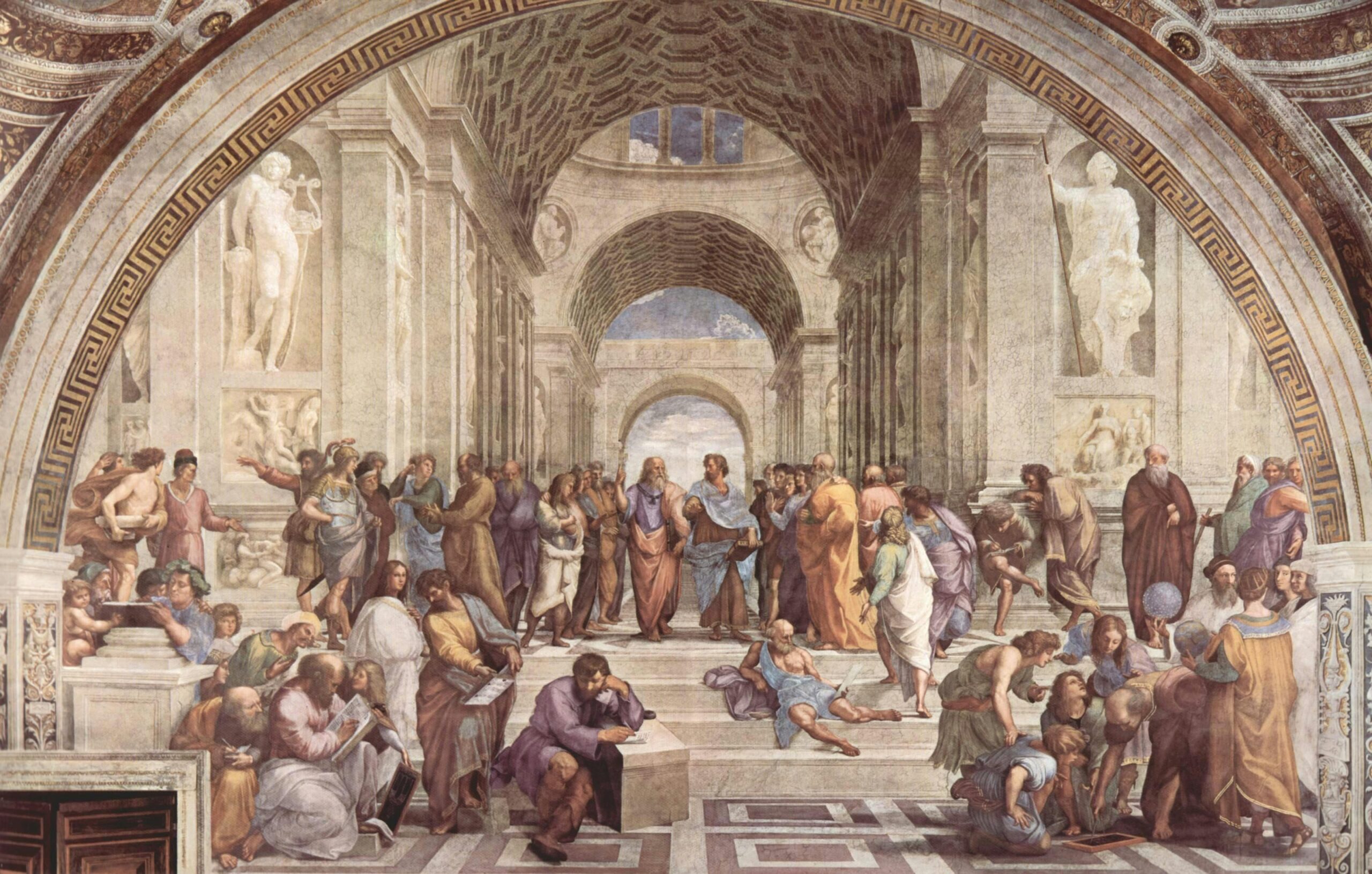
Between Divine Design and Human Responsibility 🌟
The gene editing debate ultimately reflects deeper questions about human nature and our place in the universe. Are we creatures subject to forces beyond our control, or creators shaping our own destiny? The answer probably lies somewhere between these poles.
Religious traditions remind us that not everything possible is permissible, that wisdom involves recognizing limits, and that human flourishing encompasses more than technical capability. Secular philosophy emphasizes our responsibility to use reason and compassion in shaping conditions for good lives.
Gene editing need not represent either pure hubris or pure progress. Instead, it offers opportunities and risks requiring careful navigation. By engaging seriously with religious wisdom, philosophical analysis, and scientific knowledge, we can approach these powerful technologies with appropriate reverence for life’s mysteries and appropriate commitment to reducing suffering.
The path forward demands both confidence in human capacity to make wise choices and humility about the depth of what we don’t know. It requires respecting diverse values while working toward shared goods. Most importantly, it calls us to remember that behind every genetic sequence lies a human story—worthy of dignity, compassion, and thoughtful care.
Whether we view genes as divine design, evolutionary heritage, or molecular machinery, they constitute part of what makes us human. How we choose to engage with genetic technology will reveal much about who we are and who we wish to become. That choice deserves our most careful moral attention.