
The convergence of artificial intelligence and robotic systems is transforming surgical procedures, offering unprecedented precision and creating new possibilities for patient outcomes worldwide.

🤖 The Dawn of Intelligent Surgical Systems
Modern operating rooms are witnessing a remarkable transformation as AI-assisted robotics gradually redefine what’s possible in surgical intervention. These sophisticated systems combine machine learning algorithms with mechanical precision, creating a synergy that extends beyond human capabilities alone. Surgeons worldwide are discovering that these technological partners don’t replace their expertise but amplify it, enabling procedures that were once considered too complex or risky.
The integration of artificial intelligence into robotic surgical platforms represents more than incremental improvement—it marks a fundamental shift in how we approach surgical care. These systems learn from thousands of procedures, identifying patterns and offering real-time guidance that enhances decision-making during critical moments. The technology continuously evolves, becoming more refined with each operation it assists.
How AI-Enhanced Robotics Actually Work in Surgery
At the core of AI-assisted robotic surgery lies a sophisticated network of sensors, actuators, and computational systems working in perfect harmony. The surgeon operates from a console, manipulating controls that translate their movements into precise actions performed by robotic arms. What distinguishes AI-enhanced systems is the intelligent layer that filters tremors, scales movements, and provides predictive assistance based on surgical context.
Computer vision algorithms process high-definition imagery in real-time, identifying anatomical structures and highlighting critical areas that require attention. Machine learning models trained on extensive surgical databases can recognize tissue types, blood vessels, and potential complications before they become visible to the human eye. This preemptive awareness creates an additional safety net during complex procedures.
The Three Pillars of AI Surgical Assistance
AI contribution to robotic surgery rests on three fundamental capabilities that work together seamlessly:
- Image Enhancement and Analysis: AI algorithms process visual data to improve clarity, highlight anatomical features, and overlay digital information onto the surgical field
- Predictive Modeling: Machine learning systems anticipate surgical challenges based on patient-specific data and historical procedure outcomes
- Precision Augmentation: Real-time motion correction and tremor filtering ensure movements are executed with superhuman steadiness
🏥 Transformative Benefits for Patients and Healthcare Systems
The advantages of AI-assisted robotic surgery extend far beyond the operating table, creating ripple effects throughout the entire healthcare ecosystem. Patients experience shorter hospital stays, reduced pain levels, and faster return to normal activities. The minimally invasive nature of robotic procedures means smaller incisions, less tissue trauma, and significantly lower infection risks compared to traditional open surgery.
Healthcare institutions benefit from improved resource allocation and operational efficiency. Procedures that previously required extended recovery periods now allow patients to return home within days or even hours. This increased throughput enables hospitals to serve more patients while maintaining or improving quality standards. The consistency offered by AI-assisted systems also reduces variability in surgical outcomes, leading to more predictable results across different surgeon skill levels.
Quantifiable Improvements in Surgical Outcomes
| Metric | Traditional Surgery | AI-Assisted Robotics |
|---|---|---|
| Average Hospital Stay | 5-7 days | 1-3 days |
| Complication Rate | 8-12% | 3-5% |
| Recovery Time | 6-8 weeks | 2-4 weeks |
| Blood Loss | 300-500ml | 50-150ml |
Specialized Applications Across Medical Disciplines
AI-assisted robotic systems have found applications across virtually every surgical specialty, each benefiting from the technology’s unique advantages. Cardiac surgeons utilize these platforms for minimally invasive heart valve repairs and bypass procedures, accessing the thoracic cavity through small ports rather than splitting the sternum. The precision offered by robotic assistance proves particularly valuable when working around delicate cardiac structures where millimeter-level accuracy determines success.
Urological procedures have emerged as one of the most successful application areas for robotic surgery. Prostate cancer surgeries performed with AI-assisted robots demonstrate superior outcomes in preserving nerve function and continence compared to traditional approaches. The three-dimensional visualization and enhanced dexterity enable surgeons to navigate complex anatomical regions with confidence.
Neurosurgery: Where Precision Meets Innovation
Few surgical specialties demand the level of precision required in neurosurgery, making it an ideal candidate for AI-assisted robotic intervention. These systems help surgeons navigate the intricate landscape of the human brain, avoiding critical structures while accessing pathological tissue. Real-time imaging integration allows for constant verification of instrument position relative to pre-operative plans, ensuring procedures follow the safest possible trajectory.
Spinal surgery has particularly benefited from robotic assistance, with AI algorithms helping optimize implant placement for fusion procedures. The technology calculates ideal screw trajectories based on individual patient anatomy, reducing the risk of nerve damage and improving long-term stability. Surgeons report increased confidence when operating on complex spinal deformities, knowing that AI verification systems provide continuous feedback.
💡 The Training Revolution for Next-Generation Surgeons
The integration of AI-assisted robotics into surgical practice has fundamentally altered how surgeons develop their skills. Traditional surgical training required years of apprenticeship with gradual progression through increasingly complex procedures. Modern robotic systems incorporate sophisticated simulation environments where trainees can practice thousands of virtual procedures before ever entering an actual operating room.
These simulation platforms leverage AI to create realistic scenarios that adapt to trainee performance, automatically adjusting difficulty and introducing complications that mirror real-world challenges. Machine learning algorithms analyze every movement, providing detailed feedback on technique, efficiency, and safety. This objective assessment removes much of the subjectivity from surgical education, ensuring consistent standards across training programs.
Democratizing Surgical Expertise Globally
Perhaps one of the most exciting implications of AI-assisted robotic surgery involves its potential to democratize access to expert surgical care. Telesurgery capabilities allow experienced surgeons to operate on patients thousands of miles away, bringing specialized expertise to underserved regions. While technical and regulatory challenges remain, successful transcontinental procedures have demonstrated feasibility.
The AI component becomes particularly valuable in remote surgery scenarios, compensating for network latency and ensuring safety despite geographic separation. These systems can automatically pause procedures if connectivity issues arise, protecting patients from potential hazards associated with communication delays.
🔬 Current Limitations and Ongoing Challenges
Despite remarkable progress, AI-assisted robotic surgery faces several significant obstacles that the medical community continues to address. Cost remains a primary barrier, with robotic systems requiring substantial capital investment that many healthcare facilities struggle to justify. A single surgical robot can cost several million dollars, with additional expenses for maintenance, training, and specialized instruments.
The haptic feedback limitation represents another technical challenge. While surgeons gain visual enhancement and precision, they lose the tactile sensation of traditional surgery—the ability to feel tissue resistance and texture. Engineers are developing advanced force-feedback systems, but current technology doesn’t fully replicate the sensory information available during conventional procedures.
Addressing the Learning Curve
Transitioning from traditional surgical techniques to robotic platforms requires significant time investment. Studies indicate surgeons typically need 20-40 procedures to achieve proficiency with robotic systems. During this learning period, operation times may exceed those of conventional approaches, potentially limiting the technology’s accessibility and cost-effectiveness.
Healthcare institutions must balance the desire to adopt cutting-edge technology with practical considerations about surgeon training time, procedure efficiency, and patient selection. Developing streamlined training protocols that accelerate competency development remains an active area of research and innovation.
The Ethical Landscape of Automated Surgical Assistance
As AI assumes increasingly important roles in surgical decision-making, complex ethical questions emerge that society must address thoughtfully. Who bears responsibility when an AI-assisted procedure results in complications—the surgeon, the technology manufacturer, or the healthcare institution? Current legal frameworks struggle to accommodate the shared decision-making that characterizes human-AI collaboration in the operating room.
Patient consent processes must evolve to ensure individuals understand the role AI plays in their surgery. Transparency about algorithmic decision-making, data usage, and the extent of automation becomes essential for maintaining trust and respecting patient autonomy. Healthcare providers need clear communication strategies that explain these technologies without overwhelming patients with technical complexity.
🚀 Emerging Innovations Shaping Tomorrow’s Operating Rooms
The future of AI-assisted robotic surgery extends far beyond current capabilities, with researchers developing technologies that seem almost science-fictional. Autonomous surgical systems capable of performing routine aspects of procedures independently are under development, though always with human oversight and intervention capabilities. These systems could handle repetitive tasks like suturing while surgeons focus on complex decision-making and anatomical navigation.
Nanorobotics represents another frontier with tremendous potential. Microscopic robots guided by AI could navigate blood vessels, delivering targeted treatments or performing cellular-level repairs. While still largely experimental, early research demonstrates promising results in animal models, suggesting eventual human applications may be possible.
Integration with Personalized Medicine
The convergence of AI-assisted robotics with genomic medicine and personalized treatment planning promises to revolutionize surgical approaches. Imagine procedures tailored not just to patient anatomy but to individual genetic profiles, predicting healing responses and optimizing techniques accordingly. AI systems could analyze a patient’s complete medical history, genetic data, and real-time physiological responses to guide surgical strategy moment by moment.
Advanced imaging modalities combined with AI interpretation will enable surgeons to visualize disease at molecular levels, identifying pathological tissue with unprecedented accuracy. Augmented reality overlays could display this information directly in the surgical field, highlighting cancer margins invisible to the naked eye or showing blood flow patterns that inform resection decisions.
Economic Implications for Global Healthcare
The adoption of AI-assisted robotic surgery carries profound economic implications that extend beyond individual hospital budgets. While initial costs remain substantial, long-term analyses suggest potential for overall healthcare cost reduction through decreased complications, shorter hospitalizations, and faster patient recovery. Insurance providers are beginning to recognize these benefits, though coverage policies continue evolving.
Developing nations face unique challenges in accessing these technologies, potentially widening healthcare disparities between wealthy and resource-limited regions. International collaboration and creative financing models may help bridge this gap, ensuring that surgical innovation benefits humanity broadly rather than remaining confined to elite institutions.
🌟 Real-World Success Stories Driving Adoption
Hospitals implementing AI-assisted robotic surgery programs report transformative results that validate the technology’s promise. Major medical centers have documented thousands of successful procedures across specialties, with patient satisfaction scores consistently exceeding those associated with traditional approaches. Surgeons describe increased career longevity due to reduced physical strain, as the ergonomic advantages of robotic consoles minimize the musculoskeletal stress inherent in conventional surgery.
Specific cases highlight the technology’s life-changing potential: complex tumor resections achieved with organ preservation that would have been impossible previously, pediatric surgeries performed with instruments scaled to tiny anatomical structures, and emergency procedures conducted successfully despite surgeon fatigue thanks to AI assistance that maintains consistency.
Preparing Healthcare Systems for Widespread Implementation
Successfully integrating AI-assisted robotic surgery requires comprehensive organizational change extending beyond equipment acquisition. Healthcare institutions must develop multidisciplinary teams including surgeons, engineers, IT specialists, and bioethicists who collaborate to optimize these technologies. Infrastructure upgrades ensure adequate network bandwidth, power supply, and physical space to accommodate robotic platforms.
Continuous quality monitoring becomes essential as procedures transition from traditional to robotic approaches. Hospitals need robust data collection systems that track outcomes, identify trends, and facilitate continuous improvement. This information feeds back into AI training, creating a virtuous cycle where each procedure enhances future performance.
The Collaborative Future: Humans and Machines Together
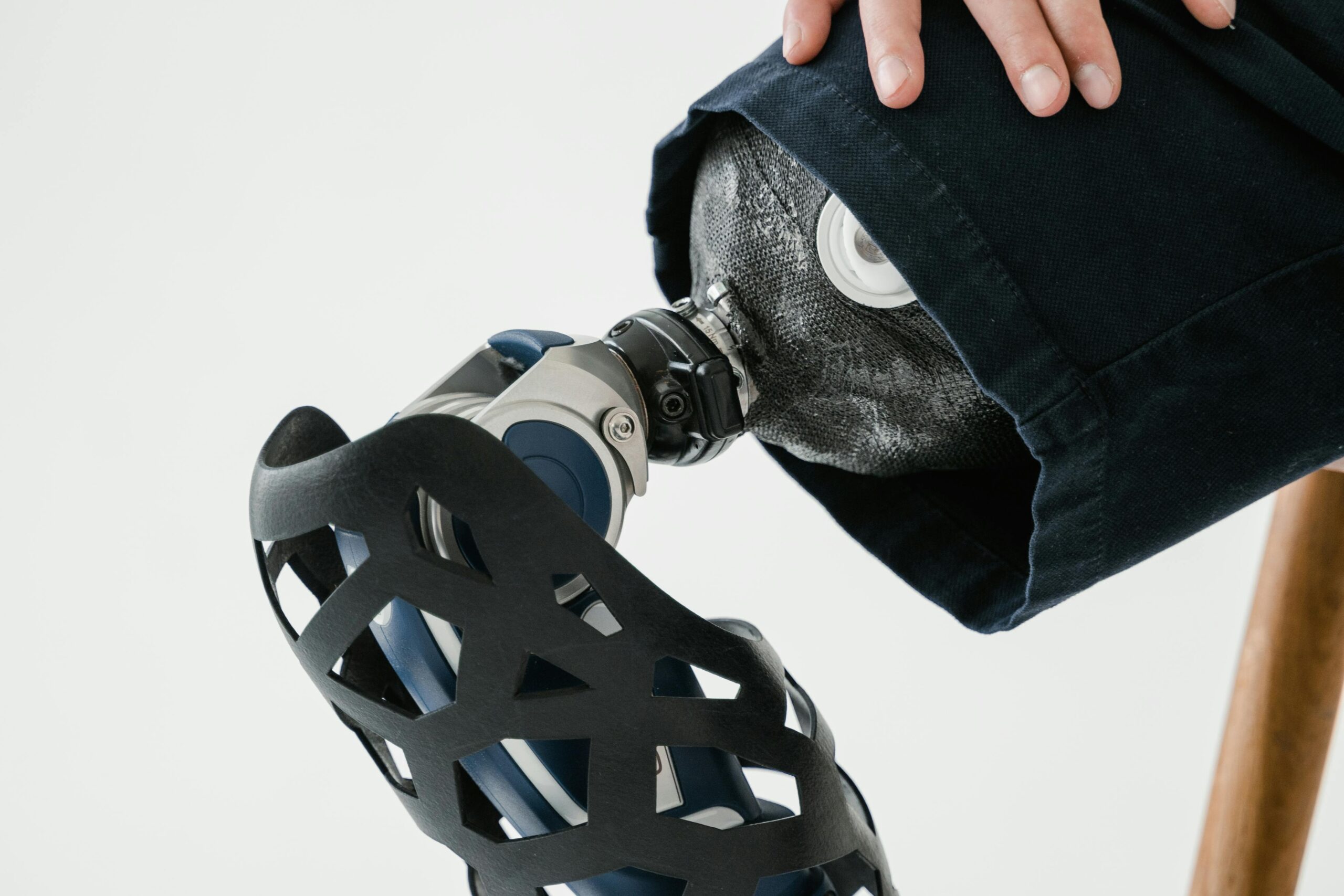
The ultimate vision for AI-assisted robotic surgery isn’t about replacing human surgeons but creating unprecedented partnerships where technology amplifies human expertise. Surgeons bring creativity, ethical judgment, and adaptability that artificial intelligence cannot replicate, while AI contributes tireless precision, vast data processing, and pattern recognition beyond human capacity. Together, they achieve outcomes neither could accomplish independently.
This collaboration extends beyond individual procedures to encompass research, education, and healthcare system optimization. AI analyzes surgical data at scale, identifying best practices and generating insights that advance the entire field. Surgeons contribute clinical wisdom and contextual understanding that grounds algorithmic recommendations in practical reality.
As technology continues advancing at exponential rates, the surgery of tomorrow will look remarkably different from today’s practices. AI-assisted robotics stands at the forefront of this transformation, promising safer procedures, better outcomes, and broader access to life-saving surgical interventions. The journey has only begun, but the destination—a future where surgical excellence becomes universally accessible—appears increasingly achievable. Healthcare providers, technology developers, policymakers, and patients must work together to navigate the challenges ahead, ensuring that innovation serves humanity’s best interests while maintaining the compassionate care that defines medicine at its finest.