The fusion of human augmentation and artificial intelligence is no longer science fiction—it’s the transformative reality reshaping our species’ potential and redefining human capability.

🚀 The Dawn of Enhanced Humanity
We stand at an unprecedented crossroads in human evolution. For millennia, humanity has relied on biological evolution—a slow, gradual process taking thousands of generations. Today, we’re witnessing something fundamentally different: the deliberate acceleration of human capabilities through technological integration. Human augmentation, combined with the exponential growth of artificial intelligence, is creating possibilities that our ancestors could never have imagined.
This convergence isn’t just about adding technology to our bodies or minds. It represents a fundamental reimagining of what it means to be human in the 21st century and beyond. From neural interfaces that allow direct brain-computer communication to AI-powered prosthetics that restore and exceed natural abilities, we’re entering an era where biological limitations become optional rather than inevitable.
Understanding Human Augmentation in the AI Era
Human augmentation encompasses a broad spectrum of technologies designed to enhance human cognitive, physical, and sensory capabilities. These range from relatively simple devices like smartphones—which have already become extensions of our memory and communication abilities—to sophisticated implants that directly interface with our nervous systems.
The integration of artificial intelligence amplifies these augmentations exponentially. AI doesn’t just process information; it learns, adapts, and predicts in ways that complement human intelligence rather than simply replacing it. When combined with augmentation technologies, AI creates feedback loops that continuously improve both the technology and the user’s ability to leverage it.
Physical Augmentation: Beyond Natural Limits 💪
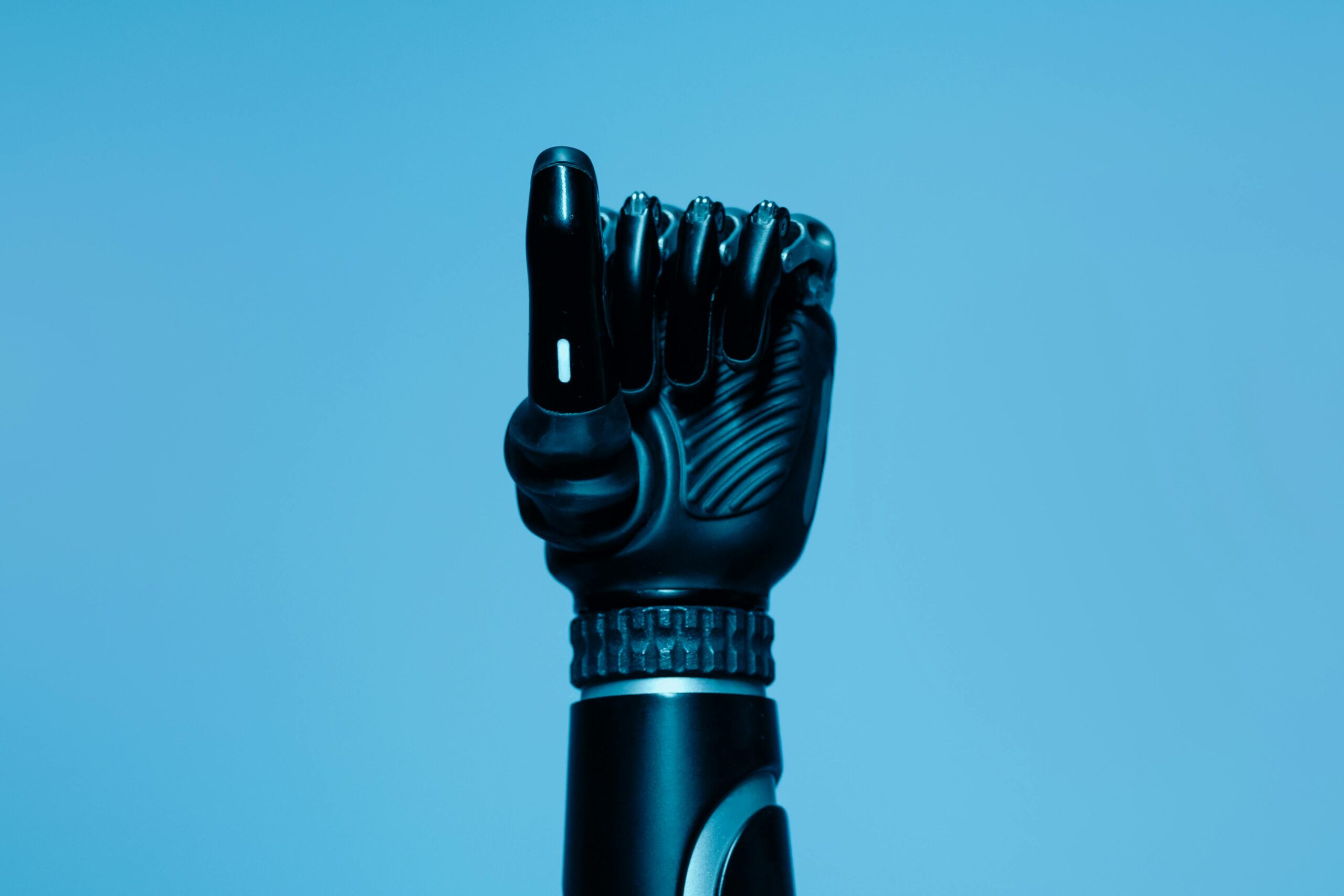
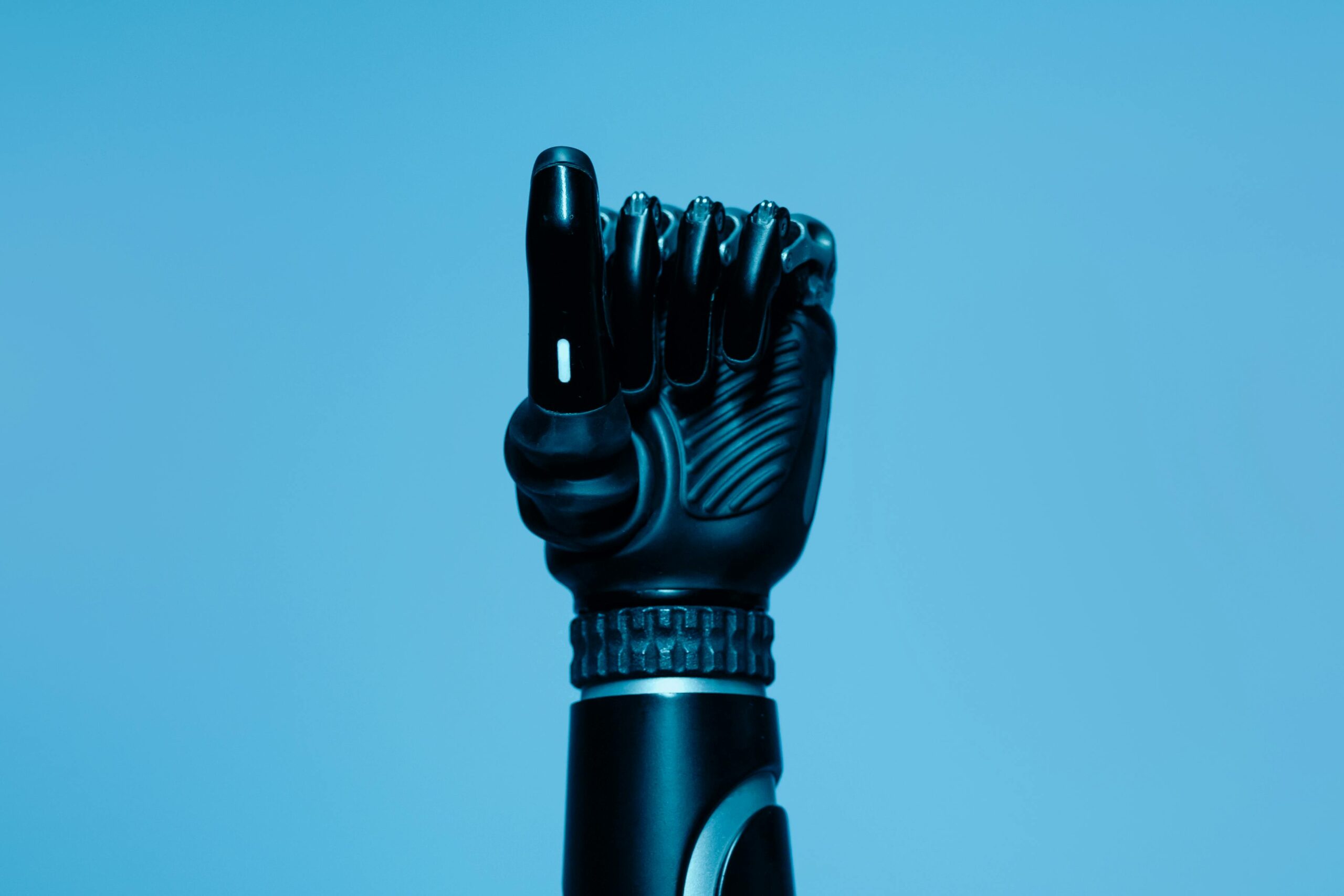
Physical augmentation has made remarkable strides in recent years. Advanced prosthetics now incorporate machine learning algorithms that predict user intentions, creating movement patterns that feel natural and intuitive. These devices don’t just replace lost limbs—they can provide capabilities that exceed biological norms.
Exoskeletons powered by AI enable workers to lift heavy loads without strain, elderly individuals to maintain mobility and independence, and paralyzed patients to walk again. The AI component constantly adjusts to the user’s movements, terrain conditions, and fatigue levels, providing precisely calibrated assistance that feels seamless.
Athletes are exploring augmentation technologies that enhance training and performance. Smart fabrics with embedded sensors collect biomechanical data, while AI analyzes this information to optimize technique, prevent injuries, and personalize training regimens. This represents just the beginning of performance enhancement that remains within ethical sporting boundaries.
Cognitive Enhancement: Expanding Mental Horizons 🧠
Perhaps the most profound frontier in human augmentation lies in cognitive enhancement. Brain-computer interfaces (BCIs) are evolving rapidly, moving from laboratory experiments to practical applications. These systems allow direct communication between the human brain and external devices, bypassing traditional input methods entirely.
AI-enhanced cognitive augmentation takes multiple forms. Neural interfaces can help restore function to individuals with neurological conditions, allowing paralyzed patients to control computers, prosthetics, or even their own limbs through thought alone. Beyond medical applications, these technologies promise to expand human cognitive capacity in unprecedented ways.
Imagine accessing information as quickly as you can think of a question. Rather than searching through a smartphone, augmented individuals might query AI systems through thought, receiving synthesized information directly into their consciousness. This isn’t telepathy—it’s a sophisticated integration of neural signals, AI processing, and sensory feedback.
The AI Convergence: More Than the Sum of Parts
What makes the current moment truly revolutionary isn’t just human augmentation or artificial intelligence individually—it’s their convergence. AI systems are becoming increasingly sophisticated at understanding context, predicting needs, and personalizing experiences. When integrated with augmentation technologies, this creates synergistic effects that multiply capabilities.
Modern AI excels at pattern recognition across vast datasets, identifying correlations and insights that humans might miss. Augmentation technologies provide AI with unprecedented access to human biological and behavioral data. This two-way exchange creates a feedback loop where AI becomes better at assisting humans, while humans become more effective at leveraging AI capabilities.
Adaptive Learning Systems
One of the most powerful aspects of AI-augmented systems is their ability to learn and adapt continuously. Unlike static tools, these systems improve with use. An AI-powered prosthetic doesn’t just follow programmed patterns—it learns the user’s unique movement preferences, adjusts to different situations, and anticipates needs based on context.
This adaptive quality extends across augmentation domains. Cognitive enhancement systems learn which information sources you trust, how you prefer data presented, and what contexts require immediate attention versus background processing. Over time, the augmentation becomes increasingly personalized, functioning almost as an extension of the individual’s natural cognitive processes.
Transforming Industries and Human Potential
The convergence of human augmentation and AI is already transforming multiple industries, with implications that ripple across society. Healthcare leads this transformation, but education, manufacturing, creative arts, and countless other fields are experiencing fundamental shifts.
Healthcare Revolution 🏥
Medical applications represent some of the most compelling use cases for augmented humanity. Beyond prosthetics, we’re seeing AI-enhanced implants that monitor health conditions in real-time, adjusting medication delivery or alerting medical professionals to emerging issues before symptoms appear.
Surgeons are using augmented reality systems powered by AI that overlay critical patient information during procedures, highlight anatomical structures, and even suggest optimal approaches based on analysis of thousands of similar cases. This augmentation doesn’t replace medical expertise—it amplifies it, reducing errors and improving outcomes.
For patients with chronic conditions, augmentation technologies offer unprecedented quality of life improvements. Diabetics can use AI-powered continuous glucose monitors that predict blood sugar trends and automatically adjust insulin delivery. Individuals with visual impairments are gaining enhanced perception through camera systems that process visual information and translate it into other sensory modalities.
Workplace Evolution and Productivity
The augmented workforce represents a significant shift in how humans approach work. Knowledge workers are already extensively augmented through digital tools, but emerging technologies take this much further. Imagine technical specialists accessing real-time AI analysis while examining complex machinery, with relevant schematics, historical data, and predictive maintenance insights available through augmented reality displays.
This doesn’t eliminate the need for human expertise—it elevates it. Workers can focus on judgment, creativity, and complex problem-solving while AI handles information retrieval, pattern analysis, and routine cognitive tasks. The result is work that’s more engaging, productive, and satisfying.
Navigating Ethical Dimensions and Societal Impact ⚖️
As with any transformative technology, the convergence of human augmentation and AI raises profound ethical questions. These aren’t abstract philosophical concerns—they’re practical challenges that society must address as these technologies become mainstream.
Access and Equality
One of the most pressing concerns involves equitable access. If augmentation technologies provide significant advantages in education, employment, and quality of life, will they be available to everyone or only to those who can afford them? The risk of creating a bifurcated society—the augmented and the unaugmented—represents a genuine challenge that requires proactive policy approaches.
Some argue that treating augmentation technologies as healthcare necessities, with insurance coverage and public funding, could ensure broader access. Others suggest that as technologies mature and scale, costs will naturally decrease, following patterns seen with other innovations. Regardless of approach, addressing equity concerns must be central to how societies implement these technologies.
Privacy and Autonomy
When augmentation technologies interface directly with human biology and cognition, privacy takes on new dimensions. What happens to the data collected by neural interfaces or health monitoring implants? Who owns this information, and how might it be used or misused?
The integration of AI adds complexity. Machine learning systems require data to function effectively, but biological and cognitive data is inherently personal. Balancing the benefits of personalization against privacy rights requires careful consideration, robust security measures, and clear regulatory frameworks.
Autonomy concerns also arise. If AI systems become deeply integrated with human decision-making, where does the human end and the AI begin? Maintaining human agency while leveraging AI capabilities requires thoughtful design that keeps humans in control while providing meaningful assistance.
The Road Ahead: Emerging Possibilities 🌟
Looking forward, the possibilities emerging from human augmentation and AI convergence seem limitless. Several areas show particular promise for near-term development and transformative impact.
Enhanced Sensory Perception
Humans perceive a narrow slice of reality—visible light represents a tiny fraction of the electromagnetic spectrum, and our hearing covers a limited frequency range. Augmentation technologies could expand these boundaries dramatically. Imagine perceiving infrared radiation, detecting electromagnetic fields, or hearing ultrasonic frequencies—not as abstract data but as integrated sensory experiences.
AI enhances these possibilities by filtering and interpreting augmented sensory information, preventing overwhelming data floods while highlighting relevant patterns. This could revolutionize fields from scientific research to artistic expression, literally allowing humans to perceive reality in entirely new ways.
Collective Intelligence Networks
Perhaps the most radical possibility involves networking augmented individuals into collective intelligence systems. While maintaining individual autonomy and privacy, such networks could allow rapid knowledge sharing, collaborative problem-solving at unprecedented scales, and emergent cognitive capabilities that transcend individual limitations.
AI serves as the connective tissue in these networks, translating between individuals, identifying complementary expertise, and facilitating collaboration. This isn’t about creating a hive mind—it’s about enhancing human collaborative potential while preserving individual identity and agency.
Preparing for an Augmented Future
The convergence of human augmentation and AI isn’t a distant future scenario—it’s unfolding now. Individuals, organizations, and societies must prepare for this transformation thoughtfully and proactively.
Education and Adaptation
Educational systems must evolve to prepare people for an augmented world. This doesn’t mean everyone needs to become a technologist, but understanding these technologies’ capabilities, limitations, and implications becomes essential literacy. Critical thinking about technology’s role in human life matters more than ever.
Lifelong learning takes on new importance in a rapidly evolving technological landscape. As augmentation technologies advance, individuals must adapt continuously. Fortunately, AI-enhanced educational tools can personalize learning experiences, making adaptation more accessible and effective.
Regulatory Frameworks and Governance
Governments and international bodies face the challenge of developing regulatory frameworks that protect individuals while fostering beneficial innovation. This requires balancing multiple priorities: safety, privacy, equity, innovation, and individual liberty.
Effective governance approaches will likely involve multi-stakeholder collaboration—bringing together technologists, ethicists, policymakers, and affected communities. Regulatory frameworks must be adaptive, evolving alongside rapidly changing technologies rather than becoming obsolete before implementation.

Embracing Limitless Possibilities Responsibly 🌈
The convergence of human augmentation and artificial intelligence represents humanity’s most ambitious undertaking: the deliberate enhancement of our own capabilities. This isn’t about transcending humanity—it’s about realizing human potential more fully. The possibilities are genuinely limitless, bounded only by our creativity, wisdom, and ethical commitments.
Physical limitations that have constrained human achievement throughout history are becoming optional. Cognitive boundaries that defined the scope of individual knowledge and problem-solving capacity are expanding. Sensory limitations that shaped how we perceive reality are dissolving. These aren’t science fiction scenarios—they’re emerging realities.
Success in this augmented future requires more than technological prowess. It demands wisdom about how to use these capabilities, ethics to guide their application, and social systems that ensure benefits are broadly shared. The technologies themselves are neutral—their impact depends entirely on how humanity chooses to develop and deploy them.
We must approach this transformation with both excitement and responsibility. The potential for improving human life—eliminating disabilities, enhancing capabilities, expanding experiences, and solving previously intractable problems—is extraordinary. Realizing this potential while avoiding pitfalls requires active engagement from all stakeholders, not passive acceptance of whatever technologies emerge.
The future of human augmentation and AI convergence isn’t predetermined. It will be shaped by choices made today and tomorrow—choices about research priorities, regulatory approaches, investment decisions, and social values. This provides both opportunity and obligation: the opportunity to consciously design a future that enhances human flourishing, and the obligation to do so thoughtfully and inclusively.
As we stand at this threshold, the question isn’t whether human augmentation and AI will converge—they already are. The question is how we’ll guide this convergence to create a future that honors human dignity, expands human potential, and remains authentically human even as it transcends current limitations. The possibilities are indeed limitless, but realizing them wisely is humanity’s next great challenge and opportunity.