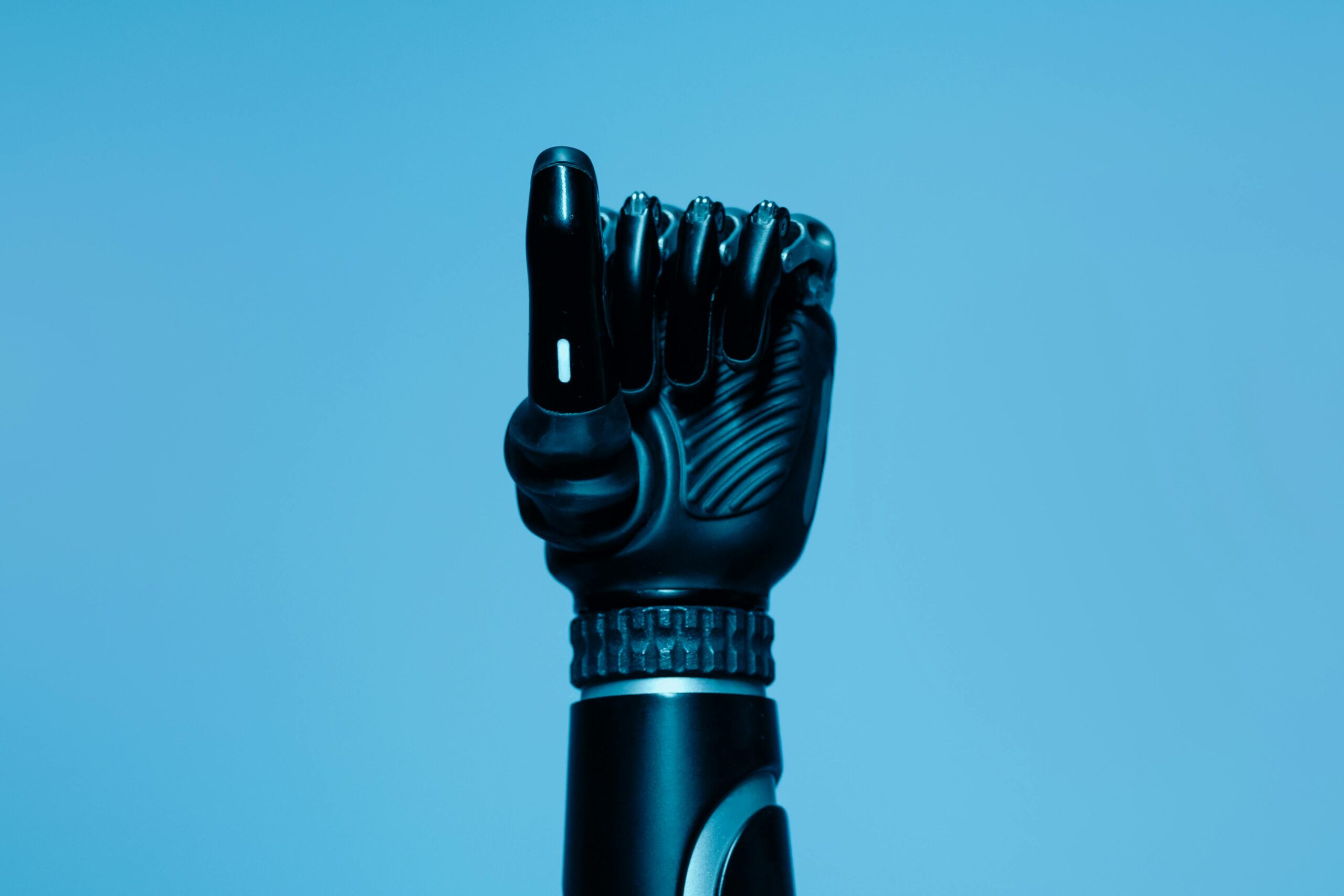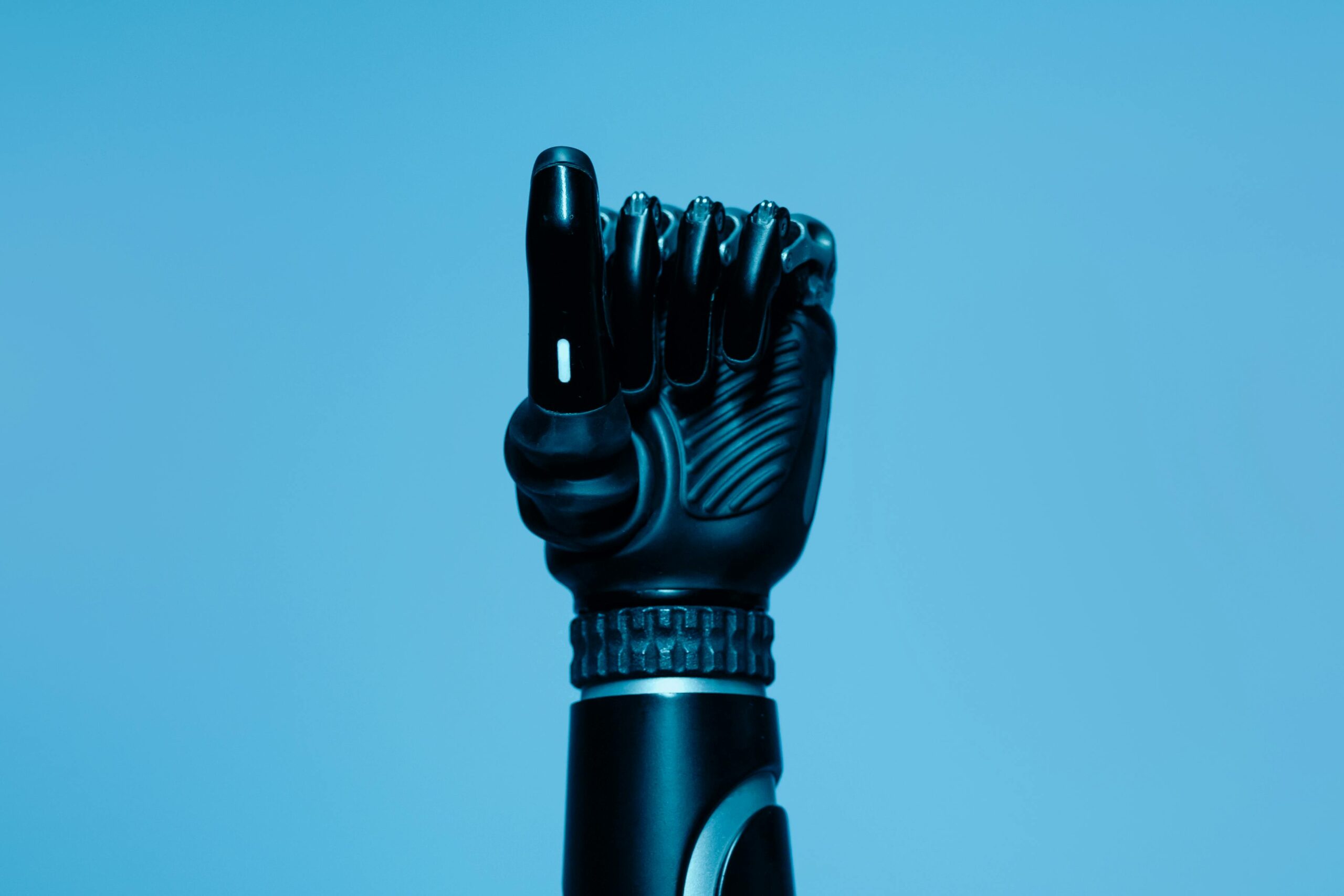
Human potential is no longer bound by biology alone. Today, exoskeletons and biomechanical enhancements are reshaping what our bodies can achieve, offering revolutionary possibilities for mobility, strength, and rehabilitation.

🔬 The Dawn of a New Human Era
We stand at the threshold of a transformative period in human history where technology seamlessly merges with biology. Exoskeletons and biomechanical enhancements represent more than just scientific achievements—they embody humanity’s relentless pursuit to transcend physical limitations. These innovations are fundamentally changing how we approach disability, labor, military operations, and even recreational activities.
The global exoskeleton market is experiencing exponential growth, with projections estimating it will reach over $5 billion by 2028. This surge reflects not just commercial interest but a profound shift in how society views human augmentation. From factory floors to rehabilitation centers, these technologies are proving their worth in real-world applications that were once confined to science fiction narratives.
⚙️ Understanding Exoskeleton Technology
Exoskeletons are wearable mechanical structures that work in tandem with the human body to enhance physical capabilities. These devices can be passive, using springs and counterweights to redistribute loads, or active, employing motors and sensors to amplify human movement and strength.
The fundamental principle behind exoskeletons involves biomechanical engineering that respects human anatomy while augmenting its capabilities. Sensors detect the wearer’s intended movements through electromyography signals, pressure sensors, or motion tracking. The system’s actuators then respond in real-time, providing assistance that feels natural and intuitive to the user.
Types of Exoskeleton Systems
Modern exoskeletons fall into several distinct categories, each designed for specific applications and user needs. Full-body exoskeletons provide comprehensive support and enhancement across the entire physique, while partial systems target specific body regions such as the lower back, legs, or upper extremities.
Industrial exoskeletons prioritize endurance and injury prevention, helping workers perform repetitive tasks without excessive strain. Medical rehabilitation exoskeletons focus on gait training and mobility restoration for individuals with spinal cord injuries or neurological conditions. Military-grade systems emphasize load-carrying capacity and endurance for soldiers in demanding operational environments.
🏥 Medical Miracles: Restoring Mobility and Independence
Perhaps nowhere is the impact of exoskeleton technology more profound than in medical rehabilitation. Individuals who were told they would never walk again are now taking steps with the assistance of sophisticated robotic systems. Companies like ReWalk, Ekso Bionics, and Cyberdyne have developed FDA-approved devices that are transforming paralysis from a permanent condition to a manageable challenge.
The psychological benefits extend far beyond physical mobility. Patients using exoskeletons report significant improvements in mental health, self-esteem, and social engagement. The ability to stand at eye level with others, navigate environments designed for ambulatory individuals, and regain a sense of autonomy produces transformative effects on overall quality of life.
Clinical Evidence and Patient Outcomes
Research demonstrates that regular exoskeleton-assisted walking provides numerous health benefits for paralyzed individuals. These include improved cardiovascular function, enhanced bowel and bladder regulation, reduced spasticity, and better bone density maintenance. Studies have shown that consistent use can also decrease the risk of pressure ulcers and improve respiratory function.
Rehabilitation protocols incorporating exoskeletons show faster recovery times for stroke patients and those with incomplete spinal cord injuries. The technology enables higher repetition counts during therapy sessions, which neuroscience research identifies as critical for neuroplasticity and motor function recovery.
💼 Industrial Applications: Protecting Workers and Boosting Productivity
The industrial sector has embraced exoskeleton technology as a solution to workplace injuries and productivity challenges. Manufacturing facilities, construction sites, and logistics centers are integrating these devices to reduce musculoskeletal disorders, which account for billions in workers’ compensation claims annually.
Companies like Ford, BMW, and Hyundai have deployed exoskeletons on assembly lines with remarkable results. Workers wearing upper-body exoskeletons report significantly less fatigue when performing overhead tasks, while lower-back support systems dramatically reduce strain during lifting and bending operations.
Economic Impact and Return on Investment
Organizations implementing exoskeleton programs report compelling financial benefits. Reduced injury rates translate to lower insurance premiums, decreased absenteeism, and improved employee retention. Workers can maintain productivity levels throughout entire shifts rather than experiencing performance decline due to physical fatigue.
The initial investment in exoskeleton technology typically ranges from $5,000 to $50,000 per unit depending on sophistication and capabilities. Most industrial operations achieve positive ROI within 12-24 months through injury cost savings and productivity gains.
🎖️ Military Advancements: Enhancing Soldier Capabilities
Defense organizations worldwide are investing heavily in exoskeleton research to create super-soldiers capable of carrying heavier loads, marching longer distances, and maintaining combat effectiveness in extreme conditions. The U.S. military’s TALOS (Tactical Assault Light Operator Suit) program and similar initiatives represent significant commitments to biomechanical enhancement technology.
Military exoskeletons must meet demanding criteria including battlefield durability, extended battery life, silent operation, and compatibility with existing equipment and tactics. Recent prototypes demonstrate soldiers carrying 200-pound loads with the perceived effort of carrying just 50 pounds, fundamentally changing logistics and operational planning.
Tactical Advantages and Strategic Implications
Beyond load-carrying capacity, military exoskeletons offer enhanced protection integration, improved aim stabilization, and reduced physical fatigue during extended missions. These capabilities translate to tactical advantages including faster deployment speeds, extended operational ranges, and better combat endurance.
The strategic implications extend to force multiplier effects, where smaller, better-equipped units can accomplish missions previously requiring larger personnel deployments. This efficiency has profound implications for military doctrine, logistics chains, and operational planning.
🧬 Biomechanical Enhancements: Beyond External Frameworks
While exoskeletons represent external augmentation, biomechanical enhancements encompass a broader spectrum of technologies that integrate more intimately with human physiology. These include advanced prosthetics with neural interfaces, implanted sensors and actuators, and even genetic modifications aimed at enhancing physical capabilities.
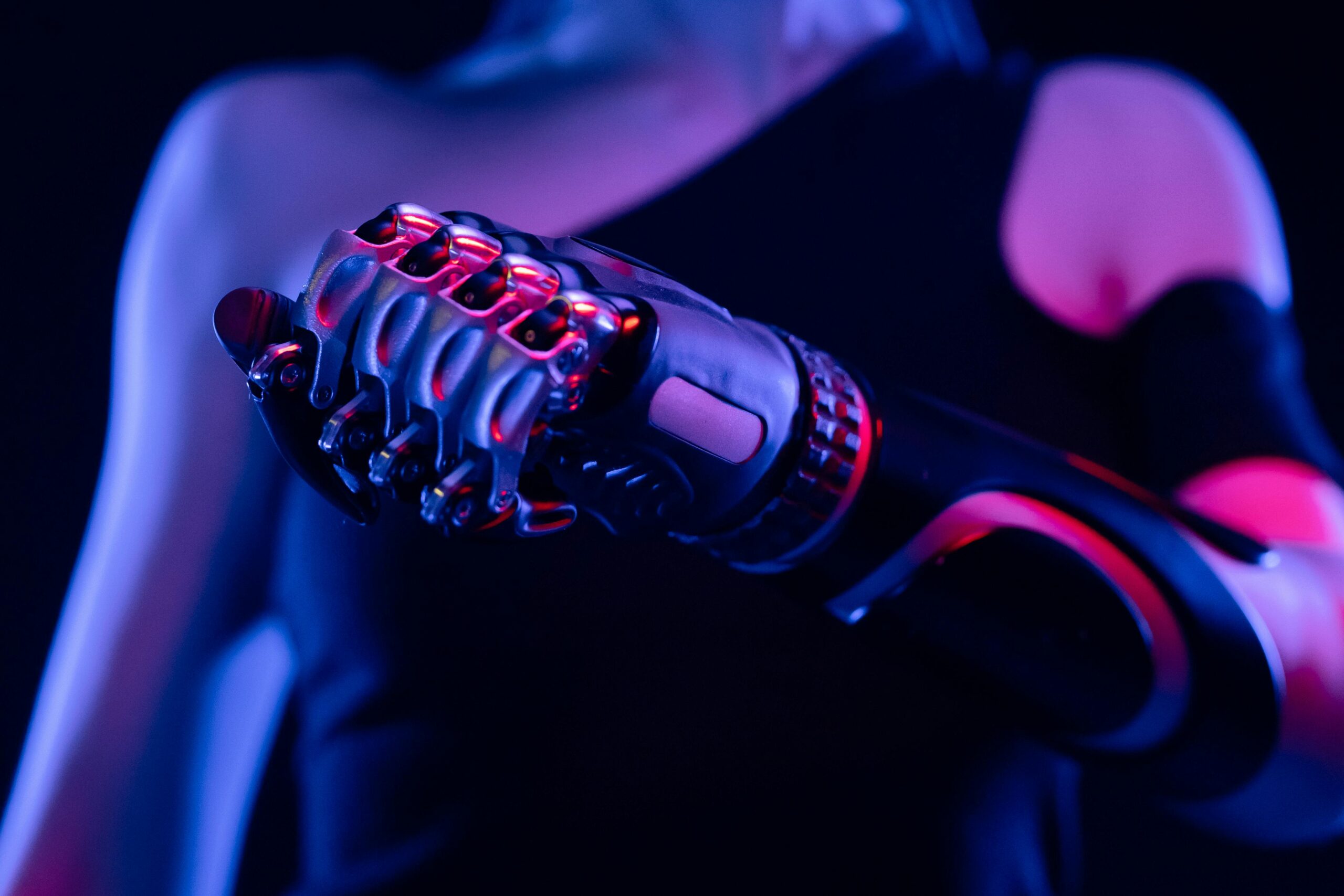
Modern prosthetic limbs have evolved from passive replacement devices to sophisticated systems offering sensory feedback and intuitive control through direct neural interfaces. Amputees using these advanced prosthetics report experiencing phantom sensation return and near-natural movement control.
Neural Integration and Brain-Computer Interfaces
The frontier of biomechanical enhancement involves direct communication between technological systems and the nervous system. Brain-computer interfaces enable individuals to control external devices through thought alone, effectively extending the boundaries of what constitutes the human body.
Research institutions are developing bidirectional interfaces that not only transmit control signals from brain to device but also provide sensory feedback from device to brain. This closed-loop system creates experiences remarkably similar to natural limb sensation and control.
🚀 Performance Enhancement for Healthy Individuals
Exoskeleton technology is increasingly targeting healthy individuals seeking performance enhancement rather than disability compensation. Athletes explore these technologies for training purposes, while extreme sports enthusiasts envision new possibilities in human achievement.
Running exoskeletons have demonstrated the ability to reduce metabolic cost by up to 25%, potentially revolutionizing marathon performance and military marching endurance. Climbing-assist devices enable access to challenging environments previously requiring extensive physical conditioning.
Ethical Considerations in Human Augmentation
As enhancement technologies become more accessible, society faces complex ethical questions about fairness, identity, and what it means to be human. Should augmented athletes compete against unaugmented ones? How do we ensure equitable access to enhancement technologies? Where do we draw lines between therapeutic restoration and enhancement beyond natural capabilities?
These questions lack simple answers and require ongoing dialogue among ethicists, technologists, policymakers, and the public. The regulatory frameworks governing human augmentation remain underdeveloped compared to the pace of technological advancement.
🔋 Technological Challenges and Innovation Frontiers
Despite remarkable progress, exoskeleton and biomechanical enhancement technologies face significant technical hurdles. Battery technology remains a primary limitation, with most systems requiring frequent recharging that limits practical deployment duration. Researchers are exploring energy harvesting from human movement and advanced battery chemistries to extend operational time.
Weight reduction represents another critical challenge. Every kilogram added to an exoskeleton requires additional energy to move, creating a vicious cycle. Advanced materials including carbon fiber composites, titanium alloys, and innovative polymers are gradually reducing system weight while maintaining structural integrity.
Artificial Intelligence and Adaptive Control Systems
The integration of artificial intelligence is transforming exoskeleton capabilities from reactive systems to predictive, adaptive platforms. Machine learning algorithms analyze user movement patterns, terrain conditions, and task requirements to optimize assistance in real-time.
Future systems will likely anticipate user intentions before conscious movement initiation, creating seamless human-machine collaboration that feels entirely natural. These intelligent systems will adapt to individual users, learning their unique biomechanics and preferences to provide personalized augmentation.
🌍 Accessibility and Economic Democratization
Current exoskeleton costs place these technologies beyond reach for many who could benefit most. A medical-grade exoskeleton typically costs between $70,000 and $150,000, creating accessibility barriers despite insurance coverage improvements.
Organizations worldwide are working to democratize access through various approaches including rental programs, insurance advocacy, research into lower-cost manufacturing techniques, and open-source hardware initiatives. As production scales increase and component costs decrease, broader accessibility becomes increasingly feasible.
Global Market Development and Regional Variations
Exoskeleton adoption varies significantly across regions based on healthcare systems, regulatory environments, and economic factors. Japan leads in elderly care applications, responding to demographic challenges with robotic assistance. European countries emphasize workplace safety applications with supportive regulatory frameworks. North American markets focus on medical rehabilitation and industrial productivity.
Emerging markets present both challenges and opportunities, with potentially enormous user populations but infrastructure and economic constraints affecting deployment strategies.
🔮 The Future Landscape of Human Augmentation
The trajectory of exoskeleton and biomechanical enhancement technology points toward increasingly sophisticated, seamlessly integrated systems that blur the boundaries between human and machine. Within the next decade, we can anticipate exoskeletons becoming commonplace in specific industries and medical applications, with gradual expansion into consumer markets.
Longer-term visions include soft exosuits made from smart fabrics that provide augmentation without rigid structures, biological enhancement through genetic engineering that increases natural muscle efficiency, and neural enhancement creating superhuman cognitive-physical coordination.
Societal Transformation and Cultural Adaptation
As augmentation technologies mature, society will undergo profound transformations in how we conceptualize disability, aging, and human potential. The distinction between “normal” and “enhanced” may become increasingly arbitrary, creating new identity categories and social dynamics.
Educational systems may need to adapt to students with varied augmentation levels. Employment markets will evolve as certain enhanced capabilities become standard expectations. Insurance, healthcare, and legal systems will require comprehensive updates to address augmentation-related scenarios.
💡 Embracing an Augmented Tomorrow
Exoskeletons and biomechanical enhancements represent more than technological marvels—they embody humanity’s determination to overcome limitations and expand possibilities. These innovations are restoring mobility to the paralyzed, protecting workers from injury, enhancing soldier effectiveness, and pushing the boundaries of human performance.
The path forward requires balancing innovation with ethical consideration, ensuring accessibility while maintaining safety, and embracing augmentation possibilities while preserving human dignity. As these technologies mature, they promise not to replace human capability but to amplify what makes us uniquely human—our creativity, determination, and endless capacity for adaptation.
The power to unlock human potential now rests literally in our hands and on our bodies. How we choose to develop, deploy, and democratize these technologies will shape not just individual lives but the very definition of human capability for generations to come. The augmented future is not approaching—it has already arrived, and the question is no longer whether we will embrace these technologies but how wisely we will integrate them into the human experience. 🌟