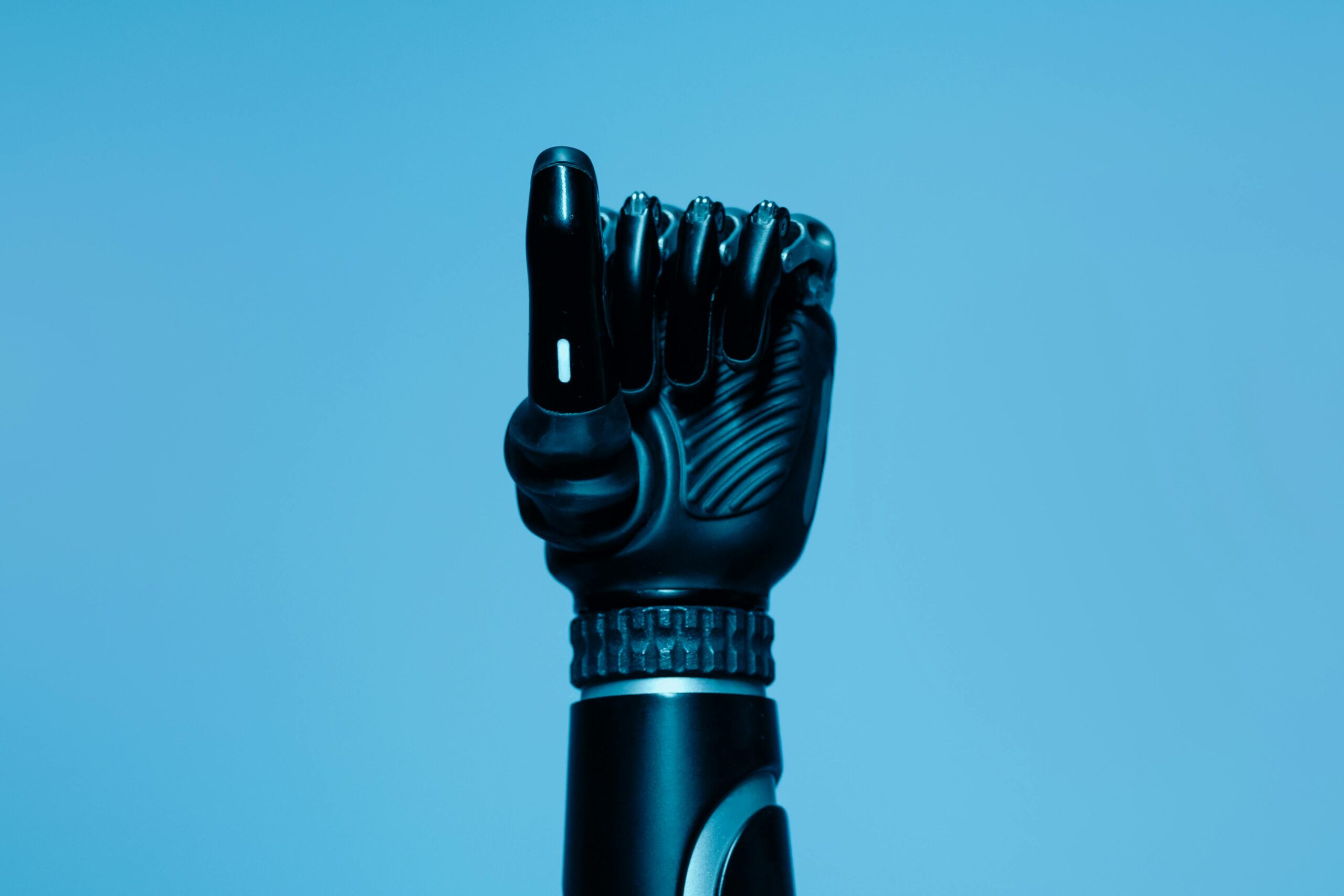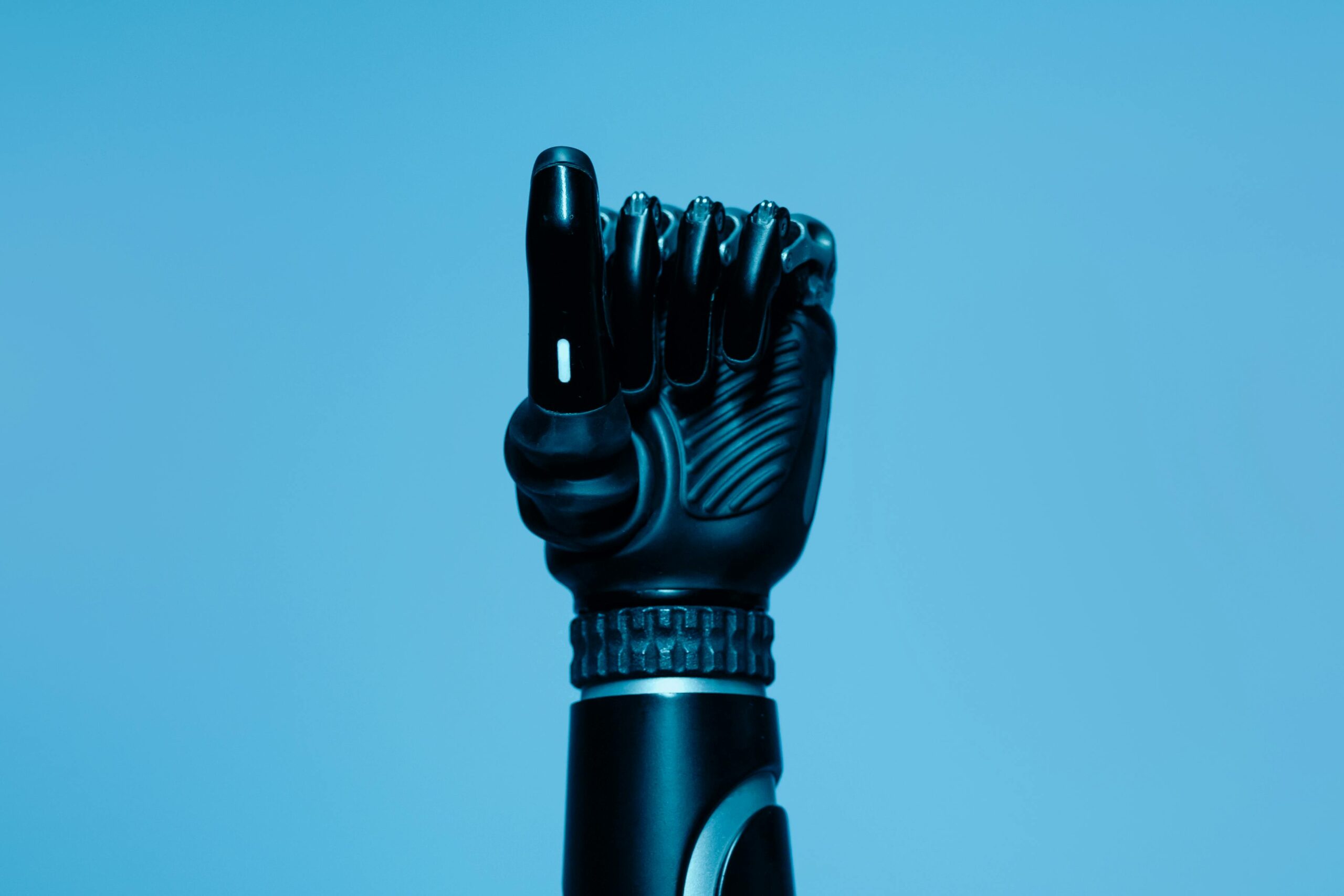
Digital twin technology is revolutionizing how we understand, optimize, and enhance human capabilities, creating unprecedented opportunities for personalized health, performance, and longevity.

🧬 The Digital Mirror: Understanding Human Digital Twins
Imagine having a virtual replica of yourself—not just a static image or profile, but a dynamic, data-driven model that mirrors your biological processes, behaviors, and potential. This is the essence of human digital twin technology, an innovation that’s rapidly transforming from science fiction into scientific reality.
Human digital twins represent sophisticated computational models that integrate vast quantities of personal data—from genomic sequences and metabolic markers to behavioral patterns and environmental interactions. These virtual counterparts function as living laboratories where interventions can be tested, outcomes predicted, and personalized strategies developed without any risk to the actual individual.
The technology builds upon decades of advancement in computational biology, artificial intelligence, sensor technology, and data analytics. What makes modern digital twins particularly powerful is their ability to continuously update and refine themselves based on real-time data streams from wearable devices, medical tests, and lifestyle tracking applications.
🔬 The Scientific Foundation: How Digital Twins Actually Work
At its core, a human digital twin operates through the integration of multiple data layers. The foundational layer typically consists of genetic information—your unique DNA blueprint that influences everything from disease susceptibility to athletic potential. This genomic data provides the baseline for understanding individual variability.
The physiological layer captures real-time biological metrics: heart rate variability, blood glucose levels, inflammation markers, hormone fluctuations, and countless other biomarkers. Advanced wearable sensors and periodic medical testing feed this layer with continuous updates, creating a dynamic picture of bodily function.
Behavioral and environmental layers add context to the biological data. Sleep patterns, exercise routines, dietary habits, stress levels, social interactions, and environmental exposures all contribute to the comprehensive model. Machine learning algorithms process these interconnected data streams to identify patterns, predict outcomes, and generate actionable insights.
The mathematical models underlying digital twins employ sophisticated techniques including systems biology approaches, pharmacokinetic modeling, biomechanical simulations, and neural network architectures. These computational frameworks allow the digital twin to simulate “what-if” scenarios—predicting how your body might respond to a new medication, training protocol, or lifestyle intervention.
💪 Performance Enhancement: Pushing Human Boundaries
Elite athletes have become early adopters of digital twin technology, leveraging these virtual models to optimize training, prevent injuries, and achieve peak performance. Professional sports organizations now employ teams of data scientists who build comprehensive digital twins of their athletes, analyzing thousands of performance variables.
A digital twin can simulate how an athlete’s body will respond to different training intensities, recovery protocols, and competitive schedules. By modeling muscular fatigue, cardiovascular adaptation, and neurological performance under various scenarios, coaches can design perfectly calibrated programs that maximize gains while minimizing injury risk.
Beyond athletics, workplace performance enhancement represents another frontier. Knowledge workers are beginning to use simplified digital twin models to optimize cognitive performance—identifying their peak productivity hours, understanding how sleep and nutrition affect focus, and designing work schedules that align with their biological rhythms.
The military and aerospace sectors have invested heavily in digital twin technology for human performance optimization. Pilots, astronauts, and special operations personnel benefit from personalized models that help maintain peak cognitive and physical function under extreme conditions.
🏥 Medical Revolution: Personalized Healthcare at Scale
The healthcare implications of digital twin technology are transformative. Traditional medicine operates largely on population-level statistics—treatments proven effective for the average patient. Digital twins enable true precision medicine, where interventions are tailored to your unique biological makeup and circumstances.
For chronic disease management, digital twins offer continuous monitoring and predictive capabilities. A diabetes patient’s digital twin, for instance, can predict glucose fluctuations hours in advance based on planned meals, activities, and stress levels, enabling proactive interventions rather than reactive treatments.
In oncology, digital twin models are being developed to simulate tumor growth and treatment responses. Before subjecting a patient to chemotherapy or radiation, oncologists can test various treatment protocols on the digital twin, identifying the most effective approach with the fewest side effects.
Cardiovascular medicine has embraced digital twin technology for surgical planning and post-operative care. Surgeons can practice complex procedures on anatomically precise digital models, while cardiologists use predictive twins to optimize medication regimens and lifestyle recommendations for heart disease patients.
🧠 Cognitive Enhancement: Upgrading the Mind
Perhaps the most exciting frontier in digital twin technology involves cognitive enhancement and brain health optimization. Neuroscience has made remarkable progress in understanding brain function, and digital twins are beginning to model cognitive processes with increasing sophistication.
Cognitive digital twins integrate neuroimaging data, cognitive performance metrics, neurotransmitter profiles, and behavioral patterns to create models of individual mental function. These models can identify optimal conditions for learning, creativity, and problem-solving unique to each person.
For individuals experiencing cognitive decline or neurological conditions, digital twins offer hope for early intervention. By detecting subtle deviations from baseline cognitive patterns, these models can flag potential issues years before clinical symptoms emerge, enabling preventive strategies that might preserve brain function.
The intersection of brain-computer interfaces and digital twin technology opens even more radical possibilities. As neural interface technology advances, digital twins could potentially integrate direct brain activity data, creating unprecedented opportunities for cognitive augmentation and neural rehabilitation.
⚖️ The Ethics Labyrinth: Navigating Moral Complexity
The power of digital twin technology brings profound ethical considerations. When we create virtual models of human beings, we enter territory filled with privacy concerns, consent issues, and questions about identity and autonomy.
Data privacy represents the most immediate concern. A comprehensive digital twin requires access to extraordinarily sensitive information—genetic data, medical records, behavioral patterns, and potentially even neural activity. Who owns this data? How should it be protected? What happens if it’s breached or misused?
The potential for discrimination raises serious concerns. Insurance companies, employers, or governments with access to digital twin predictions might discriminate based on predicted health outcomes, performance potential, or behavioral tendencies. Robust regulatory frameworks must prevent such misuse while preserving the technology’s benefits.
Questions of consent become complex when digital twins can predict future states and potential outcomes. If your digital twin suggests a predisposition to certain conditions or behaviors, what are the psychological implications? Should individuals have the right not to know certain predictions about themselves?
The enhancement aspect introduces additional ethical dimensions. If digital twin technology enables significant human enhancement, will it create or exacerbate social inequalities? Could access to sophisticated digital twins become a privilege of the wealthy, creating an enhanced class and a baseline class?
🔐 Data Security: Protecting Your Virtual Self
The cybersecurity implications of digital twin technology cannot be overstated. A comprehensive digital twin represents the most complete dataset about an individual ever assembled. Protecting this information requires security measures beyond current standards.
Blockchain technology and distributed ledger systems offer potential solutions for securing digital twin data. By decentralizing information storage and creating immutable audit trails, these approaches can enhance security while giving individuals greater control over their data.
Federated learning represents another promising approach, allowing digital twin models to be trained and refined without centralizing raw personal data. The model learns from distributed data sources while keeping sensitive information on local devices or secure personal servers.
Encryption standards specific to digital twin applications are being developed, incorporating advanced techniques like homomorphic encryption that allows computation on encrypted data without decryption. This enables third parties to provide services using your digital twin without ever accessing your raw personal information.
🌍 Global Accessibility: Democratizing Enhancement Technology
For digital twin technology to fulfill its potential for human enhancement, accessibility must extend beyond wealthy nations and privileged populations. The challenge lies in creating scalable, affordable implementations that work with varying levels of technological infrastructure.
Simplified digital twin models requiring minimal data inputs are being developed for resource-limited settings. These models focus on the most impactful interventions—basic health monitoring, disease prevention, and essential performance optimization—using data from affordable sensors and periodic measurements.
Open-source digital twin frameworks are emerging, allowing developers worldwide to contribute to and implement the technology without prohibitive licensing costs. These collaborative approaches accelerate innovation while reducing barriers to entry.
Mobile-first strategies recognize that smartphones represent the most widespread computing platform globally. Simplified digital twin applications optimized for mobile devices can reach billions of people who lack access to advanced medical facilities or performance centers.
🚀 The Next Horizon: Emerging Capabilities and Future Developments
The current state of digital twin technology represents merely the beginning. Research laboratories and technology companies worldwide are developing capabilities that will dramatically expand what’s possible in human enhancement.
Quantum computing promises to revolutionize digital twin complexity and accuracy. The massive computational requirements for comprehensive biological modeling currently limit what can be simulated in real-time. Quantum systems could enable digital twins of unprecedented detail and predictive power.
Integration with synthetic biology creates fascinating possibilities. As we develop the ability to engineer biological systems, digital twins could design and test biological modifications virtually before implementation—optimizing genetic therapies, designing personalized probiotics, or engineering enhanced cellular functions.
Collective digital twins represent an emerging concept where individual models connect to create population-level insights while preserving privacy. These networks could identify health trends, optimize community interventions, and accelerate medical research by learning from millions of anonymized digital twins simultaneously.
The convergence of digital twin technology with augmented and virtual reality creates immersive interfaces for interacting with your virtual self. Imagine visualizing your cardiovascular system in three dimensions, watching in real-time as interventions affect blood flow, or exploring your neural networks as you learn new skills.
💼 Market Forces: The Business of Human Enhancement
The economic implications of digital twin technology are substantial. Market analysts project the human digital twin sector will grow exponentially over the next decade, attracting massive investment from technology giants, pharmaceutical companies, and healthcare providers.
Business models are evolving rapidly. Subscription services offer continuous digital twin monitoring and optimization for monthly fees. Employers increasingly provide digital twin access as a wellness benefit. Insurance companies experiment with premium reductions for customers who share digital twin data demonstrating healthy behaviors.
The technology is spawning entirely new professions—digital twin architects, personal optimization consultants, and biological data scientists who specialize in individual-level modeling. Educational institutions are developing curricula to train the workforce needed for this emerging industry.
Startup ecosystems focused on digital twin applications are flourishing in innovation hubs worldwide. From specialized sensors and data collection devices to analysis platforms and intervention protocols, entrepreneurs are creating diverse products and services within the digital twin ecosystem.
🎯 Practical Implementation: Getting Started Today
While comprehensive digital twins remain cutting-edge technology, individuals interested in human enhancement can begin building simplified personal models today. The journey starts with data collection—establishing baseline measurements and tracking key variables over time.
Wearable devices provide accessible entry points. Fitness trackers, smartwatches, and continuous glucose monitors generate valuable data streams about physiological function. When combined with regular health assessments and consistent logging of behaviors, these devices create the foundation for basic digital twin modeling.
Several platforms and applications now offer digital twin-adjacent services, integrating multiple data sources to provide personalized health insights and recommendations. While not yet true comprehensive digital twins, these tools demonstrate the technology’s potential and provide genuine value.
Working with healthcare providers who embrace precision medicine approaches can accelerate your digital twin development. Progressive medical practices now incorporate genetic testing, advanced biomarker analysis, and continuous monitoring into personalized care protocols that leverage digital twin concepts.
🌟 The Human Element: Technology Serving Humanity
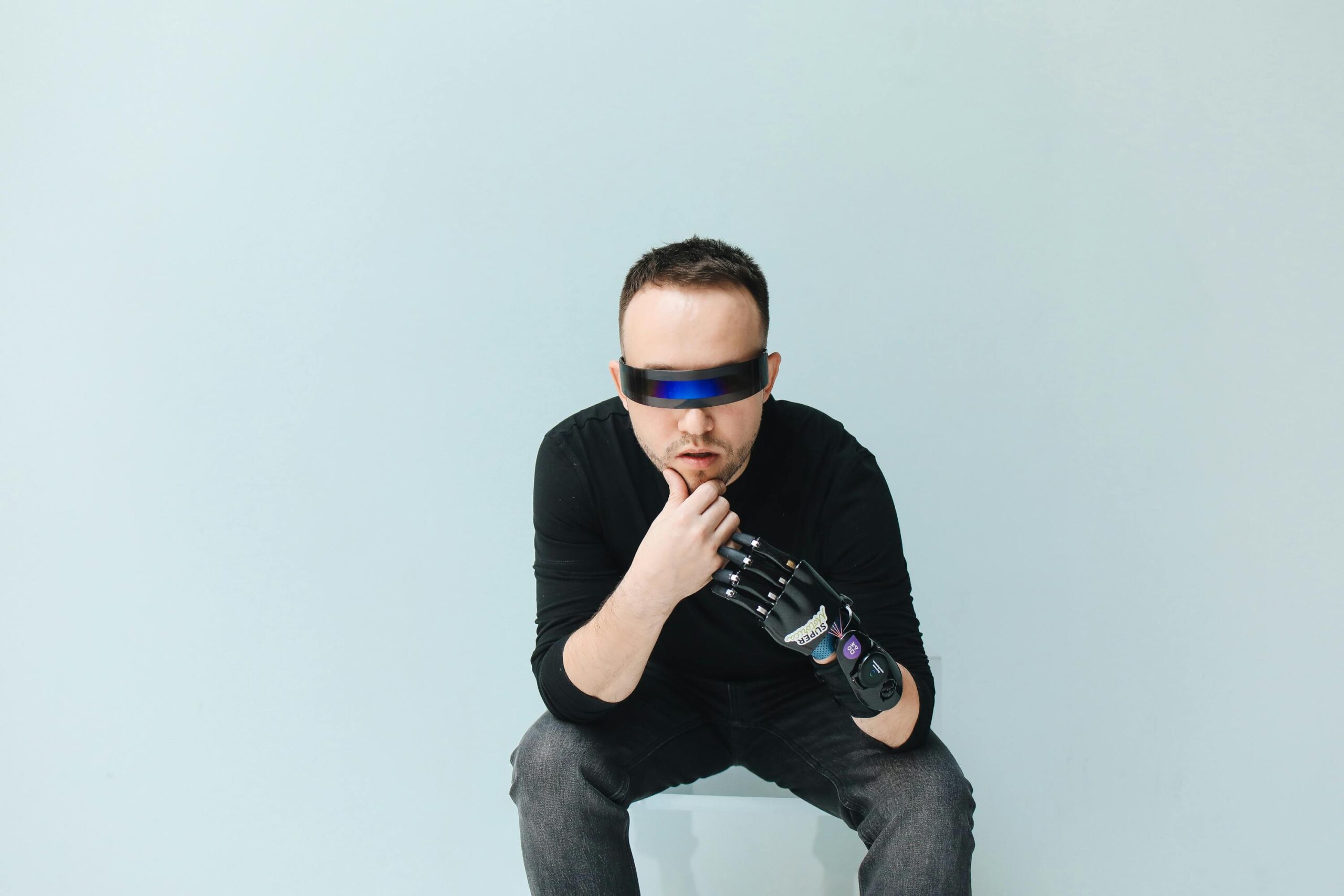
As we explore the incredible potential of digital twin technology for human enhancement, we must remember that technology serves humanity, not the reverse. The goal isn’t to reduce humans to data points or optimize ourselves into algorithmic conformity.
The most exciting promise of digital twins lies in enabling each person to become their best, most authentic self. By understanding our unique biological and psychological makeup, we can make informed choices aligned with our individual values, goals, and circumstances.
Digital twin technology should enhance human agency, not diminish it. The virtual model provides information and predictions, but humans must retain ultimate authority over decisions affecting their bodies, minds, and lives. Technology that respects and augments human autonomy will succeed; technology that undermines it will rightfully face resistance.
The future of human enhancement through digital twin technology will be shaped by the choices we make today—about regulation, accessibility, ethics, and purpose. By approaching this powerful technology thoughtfully, we can unlock human potential in ways that benefit individuals and society while preserving the essential qualities that make us human.
The journey toward comprehensive digital twins continues, accelerating with each technological breakthrough and scientific discovery. Those who engage with this emerging field—whether as researchers, developers, healthcare providers, or informed users—are participating in one of the most significant technological transitions in human history. The digital twin revolution isn’t just about understanding ourselves better; it’s about becoming better versions of ourselves while remaining fundamentally, beautifully human. 🌈