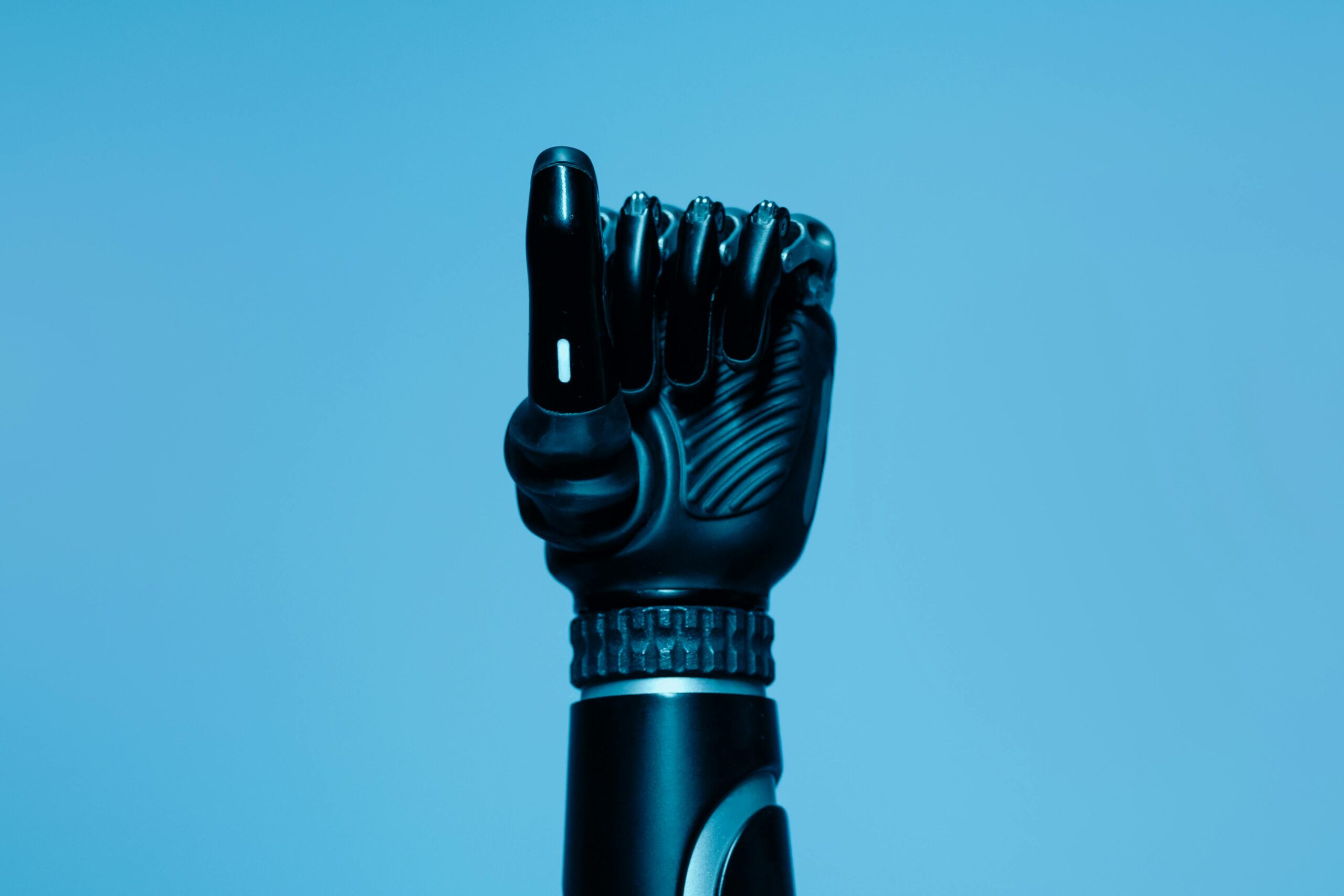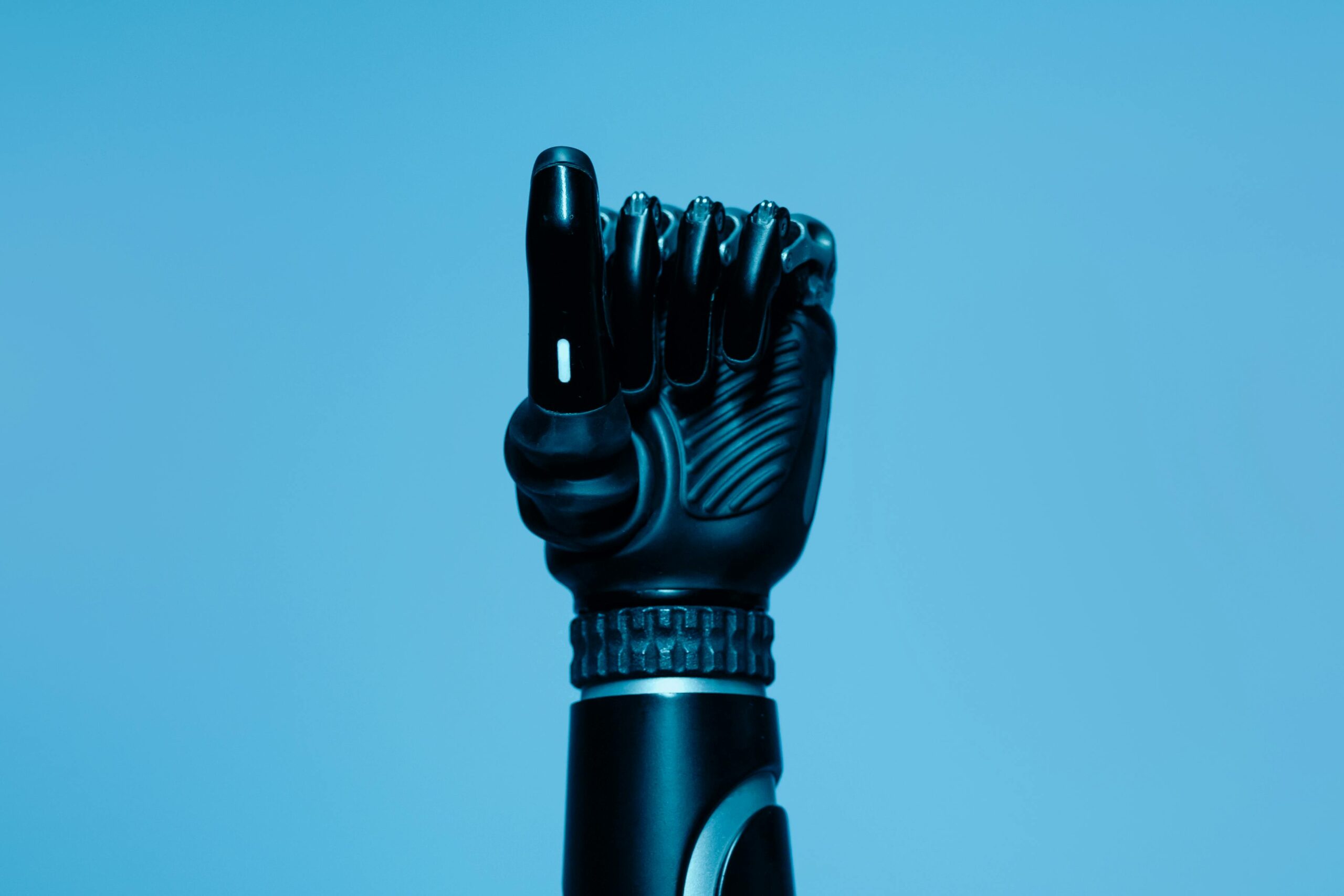
Neural implant technology is transforming how scientists understand and interact with the human brain, opening unprecedented possibilities for treating neurological conditions and enhancing cognitive function.

🧠 The Dawn of a New Era in Brain-Computer Interfaces
The field of neuroscience stands at a pivotal crossroads where cutting-edge technology meets biological complexity. Neural implants, once confined to the realm of science fiction, have emerged as tangible tools capable of recording, interpreting, and modulating brain activity with remarkable precision. These sophisticated devices are revolutionizing our understanding of neural networks while simultaneously offering hope to millions suffering from paralysis, epilepsy, Parkinson’s disease, and other debilitating neurological conditions.
Recent breakthroughs in neural implant research have accelerated at an unprecedented pace, driven by advances in materials science, miniaturization technology, and artificial intelligence algorithms. Researchers worldwide are developing increasingly sophisticated techniques to interface directly with the nervous system, creating bidirectional communication channels between biological neurons and external devices.
Advanced Materials Shaping Next-Generation Neural Interfaces
The success of neural implants fundamentally depends on the materials used in their construction. Traditional electrode materials often trigger immune responses, leading to scar tissue formation that degrades signal quality over time. Today’s researchers are pioneering biocompatible materials that seamlessly integrate with neural tissue while maintaining electrical conductivity and mechanical flexibility.
Flexible Electronics and Biomimetic Designs
One of the most significant innovations involves replacing rigid silicon-based electrodes with flexible polymers and nanomaterials. These next-generation materials mimic the mechanical properties of brain tissue, reducing inflammatory responses and extending implant longevity. Graphene, carbon nanotubes, and conductive polymers like PEDOT have emerged as promising alternatives, offering superior biocompatibility without sacrificing performance.
Scientists at leading research institutions have developed mesh-like neural interfaces that can be injected through minimally invasive procedures. These ultra-flexible devices unfold within the brain, conforming to neural structures while causing minimal tissue disruption. The technique represents a paradigm shift from traditional surgical implantation methods, potentially reducing complications and recovery time.
Self-Healing and Adaptive Materials 🔬
Emerging research focuses on materials capable of self-repair and adaptation. When microscopic damage occurs at the tissue-electrode interface, self-healing polymers can restore functionality autonomously. Additionally, adaptive materials respond to their biological environment, adjusting their properties to optimize signal transmission and minimize foreign body reactions.
High-Density Recording Arrays Capturing Neural Complexity
Understanding brain function requires simultaneously monitoring thousands of neurons. Recent technological advances have enabled the development of high-density electrode arrays capable of recording from unprecedented numbers of neurons with single-cell resolution. These devices provide neuroscientists with detailed maps of neural activity patterns underlying cognition, movement, and sensory perception.
Modern neural recording systems incorporate thousands of electrodes within millimeter-scale footprints. Neuropixels probes, developed through collaborative efforts between research institutions and technology companies, exemplify this approach. These silicon-based probes contain hundreds of recording sites along their length, capturing neural activity across multiple brain regions simultaneously.
Wireless Neural Recording Technologies
Traditional neural implants require physical connections that constrain experimental paradigms and increase infection risk. Wireless neural recording systems eliminate these limitations by transmitting data via radiofrequency or optical signals. These cordless designs enable more naturalistic behavioral studies while reducing complications associated with percutaneous connectors.
Recent innovations in wireless power transfer and data telemetry have made fully implantable systems practical. Miniaturized amplifiers, analog-to-digital converters, and transmitters can now be packaged within biocompatible enclosures small enough for rodent studies or human clinical applications. Some systems harvest energy from electromagnetic fields or ultrasound, eliminating the need for battery replacements.
Optogenetic Control: Light-Based Neural Modulation ✨
Optogenetics represents one of the most transformative techniques in modern neuroscience research. By genetically modifying neurons to express light-sensitive proteins, researchers can activate or silence specific neural populations with millisecond precision using targeted light delivery. This unprecedented level of control enables causal investigations of neural circuit function.
Advanced neural implants now integrate optical waveguides or microscale light sources directly into electrode arrays. These optoelectronic devices combine recording capabilities with optogenetic stimulation, allowing researchers to monitor neural activity while simultaneously manipulating specific cell populations. The bidirectional interface provides powerful tools for dissecting complex neural computations.
Expanding the Optogenetic Toolkit
The original optogenetic proteins responded primarily to blue light and had limited kinetic properties. Today’s expanded toolkit includes opsins sensitive to various wavelengths, enabling multi-color control of different neural populations within the same circuit. Red-shifted opsins penetrate deeper into tissue, while inhibitory opsins provide complementary tools for silencing neural activity.
Researchers have also developed sophisticated control algorithms that adjust stimulation parameters in real-time based on recorded neural activity. These closed-loop optogenetic systems can detect specific brain states and deliver precisely timed interventions, enabling more naturalistic modulation of neural circuits.
Artificial Intelligence Decoding Neural Patterns 🤖
The massive datasets generated by high-density neural recordings require sophisticated analytical approaches. Machine learning algorithms have become indispensable tools for extracting meaningful information from complex neural signals. Deep learning networks can identify subtle patterns in neural activity that correlate with specific behaviors, intentions, or cognitive states.
Modern brain-computer interfaces leverage artificial intelligence to translate neural signals into control commands for prosthetic devices, computer cursors, or communication systems. These algorithms learn to decode user intentions from neural activity, adapting continuously to maintain performance as recording conditions change over time.
Real-Time Neural Decoding and Closed-Loop Control
Therapeutic applications of neural implants increasingly rely on closed-loop systems that deliver interventions based on continuously monitored brain activity. For epilepsy treatment, algorithms detect seizure-related neural patterns and trigger electrical stimulation to abort developing seizures. Similar approaches show promise for treating depression, obsessive-compulsive disorder, and other psychiatric conditions.
Implementing these systems requires neural decoders capable of processing data streams in real-time with minimal latency. Recent advances in neuromorphic computing and edge AI enable sophisticated signal processing directly on implanted devices, reducing power consumption and data transmission requirements while enabling faster response times.
Minimally Invasive Implantation Procedures
The surgical risks associated with neural implant placement have historically limited clinical adoption. Contemporary research emphasizes minimally invasive delivery methods that reduce tissue damage, infection risk, and recovery time. Robotic surgical systems enable precise electrode placement with submillimeter accuracy, navigating complex brain anatomy while avoiding critical structures.
Some research teams are developing endovascular approaches that deliver neural interfaces through blood vessels, eliminating the need for craniotomy. These catheter-based systems can potentially reach deep brain structures through minimally invasive procedures similar to those used in interventional cardiology or neuroradiology.
Injectable Neural Mesh Technologies 💉
Perhaps the most revolutionary implantation technique involves injectable neural meshes that self-assemble within brain tissue. These ultra-flexible devices can be loaded into needles or catheters and deployed into target regions where they unfold and integrate with surrounding neural tissue. Early studies demonstrate that injected meshes elicit minimal immune responses while maintaining stable recording quality over extended periods.
Bidirectional Neural Interfaces Restoring Function
The most advanced neural implants enable bidirectional communication, both recording from and stimulating neural tissue. These closed-loop systems create artificial sensory feedback for prosthetic limbs, restore bladder control for spinal cord injury patients, or deliver responsive deep brain stimulation for movement disorders.
Recent clinical trials demonstrate impressive outcomes. Paralyzed individuals have regained the ability to control robotic arms with their thoughts, achieving dexterous movements previously impossible. Others have received sensory feedback through neural stimulation, enabling them to feel texture and pressure through prosthetic fingers.
Sensory Substitution and Enhancement
Beyond restoration, neural interfaces offer possibilities for sensory substitution and augmentation. Researchers are exploring systems that translate visual information into tactile patterns for blind individuals or convert infrared signals into perceivable sensations. These approaches expand human perceptual capabilities beyond natural biological limits.
Overcoming Biological Challenges in Neural Integration 🛡️
Despite remarkable progress, significant biological challenges remain. The foreign body response to implanted devices continues to degrade performance over time as inflammatory cells and glial scar tissue encapsulate electrodes. Understanding and mitigating these immune responses represents a critical research frontier.
Contemporary approaches combine improved materials with pharmacological interventions or biological coatings that modulate immune responses. Some researchers are developing “living electrodes” that incorporate neural cells or scaffolds that promote healthy tissue integration rather than scar formation.
Long-Term Stability and Biointegration
For neural implants to achieve their full clinical potential, they must function reliably for years or decades. Current devices often show signal degradation within months as tissue responses alter the recording environment. Next-generation systems address this challenge through several strategies:
- Anti-inflammatory coatings that reduce glial scarring
- Drug-eluting interfaces that deliver immunomodulatory compounds locally
- Mechanically adaptive materials that minimize micromotion-induced damage
- Self-calibrating algorithms that compensate for gradual signal changes
- Regenerative scaffolds that promote healthy neural tissue growth
Ethical Considerations and Regulatory Frameworks
As neural implant capabilities expand, important ethical questions emerge regarding privacy, agency, and identity. Devices capable of reading thoughts or modulating emotions raise concerns about mental privacy and autonomy. Establishing appropriate ethical guidelines and regulatory frameworks represents a crucial parallel effort to technological development.
Researchers, ethicists, and policymakers are collaborating to develop responsible innovation frameworks that balance technological advancement with protection of fundamental human rights. These discussions address issues including informed consent for invasive procedures, data security for neural recordings, and equitable access to emerging therapies.
Clinical Translation and Future Applications 🏥
Several neural implant technologies have already achieved clinical approval for specific indications. Cochlear implants restore hearing for hundreds of thousands of deaf individuals worldwide. Deep brain stimulation effectively manages symptoms of Parkinson’s disease, essential tremor, and dystonia. Responsive neurostimulation systems reduce seizure frequency for drug-resistant epilepsy patients.
The next generation of clinical applications targets more complex conditions. Experimental brain-computer interfaces show promise for communication restoration in locked-in syndrome. Memory-enhancing neural stimulation may help Alzheimer’s patients. Closed-loop psychiatric neuromodulation could provide treatment options for depression and anxiety disorders resistant to conventional therapies.
Accelerating the Bench-to-Bedside Pipeline
Translating laboratory innovations into clinical practice requires navigating complex regulatory requirements, conducting extensive safety and efficacy trials, and establishing scalable manufacturing processes. Partnerships between academic researchers, medical device companies, and regulatory agencies are streamlining this pathway, bringing promising technologies to patients more rapidly.
Global Collaboration Driving Innovation Forward 🌍
The complexity of neural implant development necessitates multidisciplinary collaboration spanning neuroscience, engineering, materials science, computer science, and clinical medicine. International research consortia are coordinating efforts, sharing data and resources to accelerate progress. Open-source hardware and software initiatives democratize access to advanced neural recording technologies, enabling broader participation in this research frontier.
Major research initiatives funded by government agencies and private foundations are coordinating efforts across institutions and countries. These collaborative programs establish shared infrastructure, standardized methodologies, and data repositories that amplify the impact of individual research groups.
The Neurotechnology Horizon: What Lies Ahead
Looking forward, several transformative developments appear on the horizon. Molecular-scale recording technologies may enable monitoring of individual synapses. Fully implantable, autonomous neural prosthetics could restore complex functions like vision or memory formation. Brain-to-brain interfaces might enable direct neural communication between individuals.
Advances in nanotechnology promise electrodes orders of magnitude smaller than current devices, potentially interfacing with subcellular structures. Biological computing approaches could create hybrid systems where engineered neurons integrate directly with electronic components, blurring boundaries between biology and technology.
Personalized Neuroprosthetics and Adaptive Systems ⚙️
Future neural implants will likely feature unprecedented levels of personalization, with algorithms that continuously adapt to each user’s unique neural signatures and evolving needs. Machine learning systems will optimize stimulation parameters automatically, and modular designs will allow functionality updates without surgical revision.
As our understanding of neural coding deepens and technologies continue advancing, neural implants will transition from experimental tools to mainstream medical devices. The convergence of neuroscience, engineering, and artificial intelligence is creating possibilities that seemed impossible just years ago, fundamentally transforming how we understand and interact with the most complex structure in the known universe—the human brain.
The journey from basic neuroscience research to transformative clinical applications continues accelerating. Each breakthrough in materials, recording technologies, analytical methods, and surgical techniques brings us closer to realizing the full potential of neural interfaces. While significant challenges remain, the trajectory is clear: neural implant research is revolutionizing neuroscience and opening new frontiers in treating neurological disease, restoring lost function, and expanding human capabilities.