Human augmentation technologies are revolutionizing how we interact with our bodies, minds, and the world around us, pushing the boundaries of human potential.

The convergence of biotechnology, artificial intelligence, nanotechnology, and information technology is creating unprecedented opportunities to enhance human capabilities. From cochlear implants that restore hearing to brain-computer interfaces that enable paralyzed individuals to control robotic limbs, we’re witnessing a transformation in what it means to be human. These innovations aren’t just improving quality of life for those with disabilities—they’re opening doors to enhanced cognition, physical performance, and sensory perception for everyone.
The global market for human augmentation is projected to reach billions of dollars within the next decade, driven by advances in medical technology, consumer demand for enhanced capabilities, and the aging population seeking to maintain vitality. Yet with this explosive growth comes profound questions about ethics, accessibility, and what defines humanity itself.
🧬 The Scientific Foundations Driving Human Enhancement
Human augmentation rests on several converging technological pillars that have matured significantly over the past two decades. Understanding these foundations helps us appreciate both the possibilities and limitations of enhancement technologies.
Biotechnology provides the biological understanding necessary to interface with human systems safely and effectively. Advances in genetic engineering, particularly CRISPR gene-editing technology, enable precise modifications to DNA sequences that can correct genetic disorders or potentially enhance natural capabilities. Meanwhile, tissue engineering and regenerative medicine offer pathways to grow replacement organs and repair damaged tissues.
Neuroscience has unlocked secrets of brain function that were unimaginable a generation ago. Functional MRI scanning, optogenetics, and advanced electrode arrays allow researchers to map neural pathways with increasing precision. This knowledge forms the basis for brain-computer interfaces and cognitive enhancement technologies that can augment memory, attention, and learning capabilities.
Materials science has produced biocompatible substances that the human body doesn’t reject, making long-term implants feasible. Flexible electronics, nanomaterials, and smart polymers enable devices that integrate seamlessly with biological tissues, transmitting signals and delivering therapies with minimal invasiveness.
The Role of Artificial Intelligence in Augmentation Systems
Artificial intelligence serves as the intelligent bridge between human intention and augmented capability. Machine learning algorithms interpret neural signals from brain-computer interfaces, translating thought patterns into commands for prosthetic limbs or computer systems. AI-powered augmented reality systems overlay contextual information onto our visual field, effectively enhancing our cognitive processing of complex environments.
Deep learning networks can predict user intentions from subtle physiological signals, making augmentation devices more intuitive and responsive. These systems learn individual user patterns over time, continuously improving their performance and creating increasingly natural interfaces between human and machine.
💪 Physical Augmentation: Enhancing the Human Body
Physical augmentation technologies enhance strength, endurance, mobility, and sensory capabilities beyond natural human limits. These technologies range from medical devices restoring lost function to enhancement systems pushing peak performance boundaries.
Exoskeletons represent one of the most visible forms of physical augmentation. These wearable robotic systems augment human strength and endurance, enabling workers to lift heavy objects without injury or allowing elderly individuals to maintain mobility and independence. Military applications have driven significant investment, with powered exoskeletons enabling soldiers to carry heavier loads over longer distances with reduced fatigue.
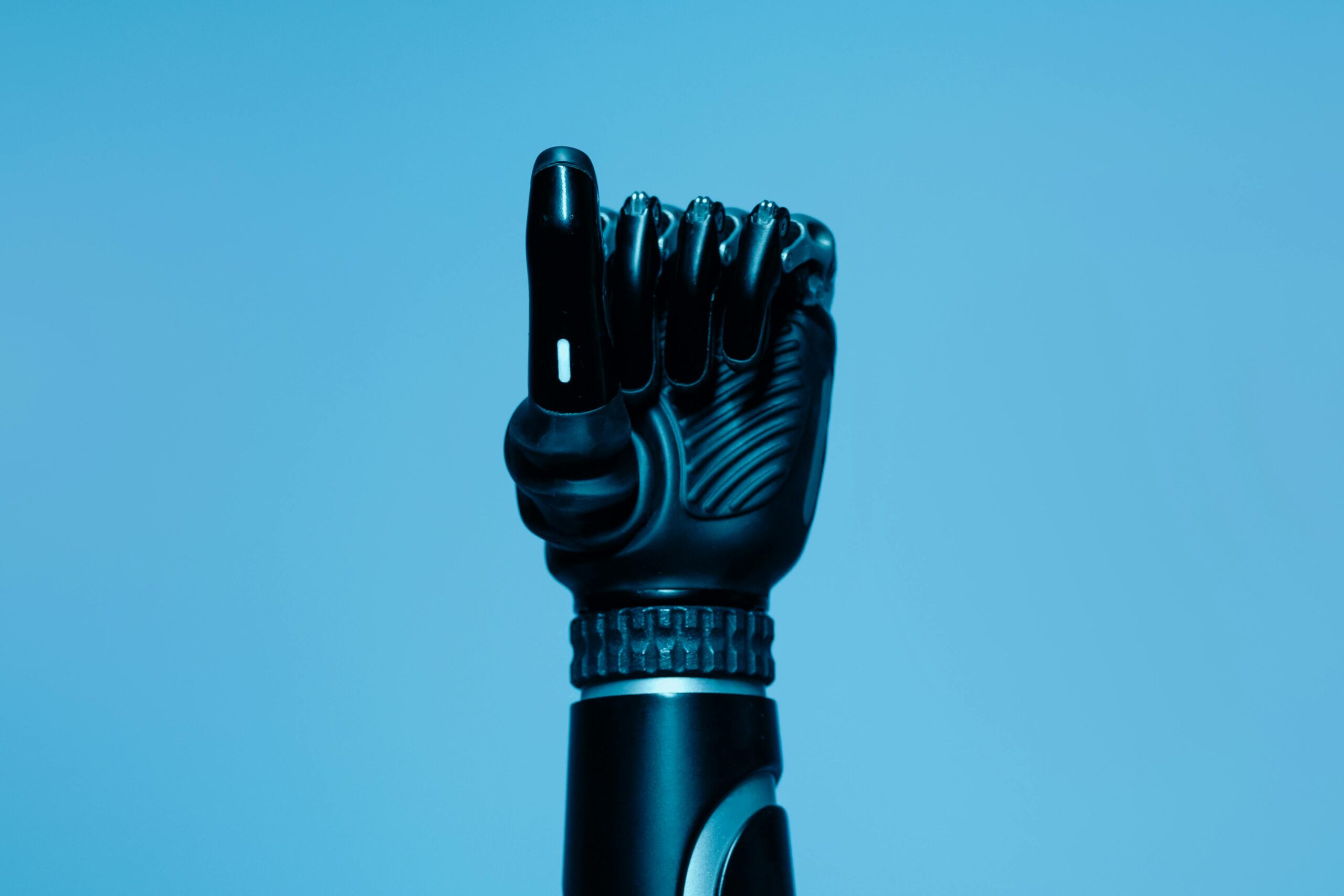
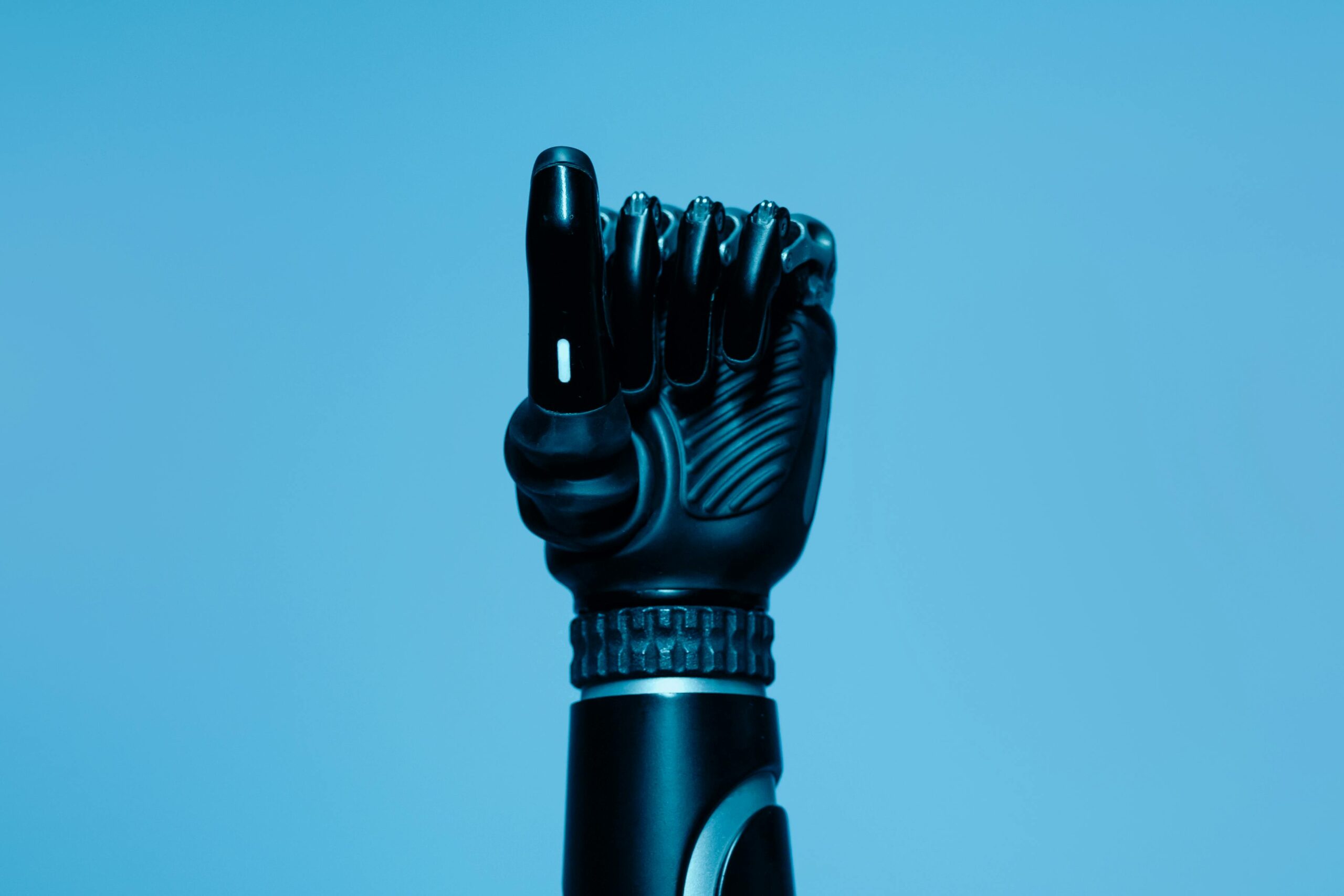
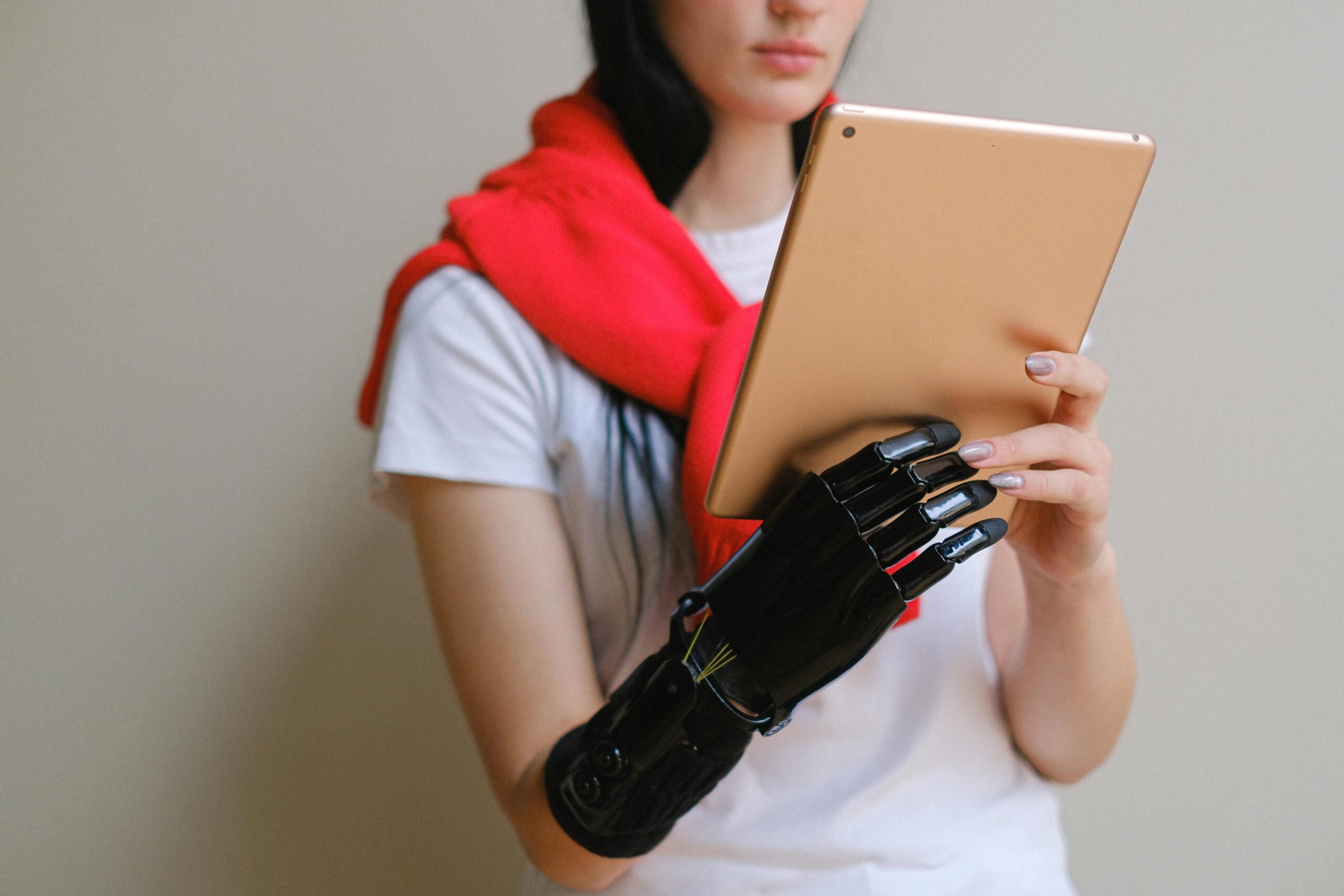
Advanced prosthetics have evolved far beyond simple mechanical replacements. Modern prosthetic limbs incorporate sensors, microprocessors, and sophisticated control systems that respond to nerve signals or muscle contractions. Some cutting-edge prosthetics provide sensory feedback, allowing users to “feel” pressure and temperature through their artificial limbs, restoring a crucial dimension of the human experience.
Sensory Enhancement and Expansion 👁️
Augmentation isn’t limited to replicating existing human capabilities—it can expand them entirely. Cochlear implants and retinal implants restore hearing and vision to those who have lost these senses, but emerging technologies go further. Some researchers are developing devices that enable humans to perceive infrared light, magnetic fields, or ultrasonic frequencies beyond our natural sensory range.
Smart contact lenses with integrated displays could overlay information directly onto our visual field, while haptic feedback systems provide tactile information about digital environments or remote locations. These sensory augmentations fundamentally change how humans gather and process information about the world.
🧠 Cognitive Enhancement: Amplifying Mental Capabilities
Perhaps the most transformative and controversial area of human augmentation involves enhancing cognitive functions—memory, attention, reasoning, creativity, and learning speed. These technologies promise to unlock human intellectual potential but raise profound ethical questions about fairness and identity.
Noninvasive brain stimulation techniques like transcranial magnetic stimulation (TMS) and transcranial direct current stimulation (tDCS) can temporarily enhance cognitive performance in specific domains. Studies have shown improvements in working memory, mathematical ability, and learning speed following targeted stimulation of relevant brain regions.
Brain-computer interfaces represent a more invasive but potentially more powerful approach to cognitive augmentation. By directly recording from and stimulating neural tissue, these devices could eventually enable direct brain-to-brain communication, instant access to information databases, or enhanced control over attention and emotional states.
Pharmacological Cognitive Enhancement
Pharmaceutical approaches to cognitive enhancement, sometimes called “nootropics” or “smart drugs,” already see widespread use. Medications developed to treat conditions like ADHD, narcolepsy, or Alzheimer’s disease are increasingly used by healthy individuals seeking enhanced focus, memory, or wakefulness.
While existing pharmacological enhancers show modest effects, next-generation drugs targeting specific neurotransmitter systems or neuroplasticity mechanisms could offer more significant cognitive improvements. However, questions about long-term safety, dependency, and unintended consequences remain largely unanswered.
🔬 Genetic and Biological Augmentation
The ability to edit human genes represents perhaps the most fundamental form of augmentation, potentially preventing genetic diseases before they manifest or enhancing natural traits at the molecular level. CRISPR-Cas9 and other gene-editing technologies have made genetic modification more accessible and precise than ever before.
Gene therapy has successfully treated previously incurable genetic disorders, offering hope to patients with conditions like sickle cell disease and certain forms of inherited blindness. These therapeutic applications are gradually being accepted, but enhancement applications—editing genes to increase intelligence, athletic ability, or longevity in healthy individuals—remain deeply controversial.
Epigenetic modification offers a potentially reversible alternative to permanent genetic changes. By altering how genes are expressed rather than changing the DNA sequence itself, epigenetic therapies could provide temporary enhancements or optimize gene expression patterns for particular goals without permanently altering the human genome.
Longevity and Anti-Aging Technologies
Extending healthy human lifespan represents a form of biological augmentation with universal appeal. Research into the biology of aging has identified cellular and molecular processes that contribute to age-related decline, including telomere shortening, cellular senescence, and mitochondrial dysfunction.
Interventions targeting these aging mechanisms range from pharmaceutical approaches like senolytics (which eliminate senescent cells) to metabolic interventions like caloric restriction mimetics. While significantly extending maximum human lifespan remains elusive, technologies that extend healthspan—the period of life spent in good health—are becoming increasingly feasible.
🌐 Integration Challenges and Technical Hurdles
Despite remarkable progress, significant technical challenges must be overcome before human augmentation technologies can achieve their full potential. These obstacles span biological, engineering, and computational domains.
Biocompatibility remains a fundamental challenge for implanted devices. The human immune system evolved to identify and attack foreign objects, leading to inflammation, scarring, and eventual device failure. While biocompatible materials have improved dramatically, achieving long-term integration without adverse tissue reactions remains difficult, especially for neural interfaces where scarring can degrade signal quality over time.
Power supply presents another critical limitation. Implanted devices require energy, but batteries are bulky, degrade over time, and often contain toxic materials. Wireless power transmission, energy harvesting from body movements or metabolic processes, and ultra-efficient electronics offer potential solutions but haven’t yet matched the power demands of sophisticated augmentation systems.
Signal Processing and Control Complexity
Translating between biological and electronic systems requires sophisticated signal processing. Neural signals are noisy, variable, and operate on different timescales than electronic systems. Machine learning has improved signal interpretation, but achieving reliable, low-latency control remains challenging, especially for complex tasks requiring fine motor control or nuanced cognitive processing.
Individual variability compounds these challenges. Each person’s brain is unique, with different neural patterns encoding similar thoughts or intentions. Augmentation systems must either adapt to individual users through extensive training or employ generalized models that sacrifice some performance for broader applicability.
⚖️ Ethical Considerations and Societal Implications
As human augmentation technologies advance from medical treatments to elective enhancements, society faces profound ethical questions about fairness, consent, identity, and what it means to be human.
Access and equity represent perhaps the most pressing concerns. If augmentation technologies remain expensive, they could exacerbate existing inequalities, creating an enhanced elite with cognitive and physical advantages that compound across generations. This scenario raises questions about fair competition in education, employment, and athletics, potentially requiring new social structures or regulations to maintain equity.
Informed consent becomes complicated when augmentation decisions are made for others—particularly children. Should parents be allowed to genetically enhance their offspring? At what age can individuals consent to permanent augmentation procedures? These questions lack clear answers and will require ongoing societal dialogue as technologies advance.
Identity and Human Nature 🤔
Augmentation technologies challenge fundamental notions of personal identity and human nature. If memories can be edited, emotions regulated through brain stimulation, or cognitive abilities dramatically enhanced, what remains of authentic selfhood? Philosophers and ethicists debate whether augmented individuals would remain fundamentally human or represent a new category of being.
These concerns aren’t merely abstract—they have practical implications for how augmented individuals are treated legally, socially, and economically. Will enhanced cognitive abilities lead to enhanced legal responsibility? Should augmented individuals compete against unaugmented people in sports or standardized testing? These questions require careful consideration as augmentation becomes more common.
🚀 Future Trajectories and Emerging Possibilities
Looking forward, human augmentation technologies are poised to become increasingly sophisticated, accessible, and integrated into everyday life. Several emerging trends will shape this trajectory over the coming decades.
Miniaturization and improved manufacturing will make augmentation devices smaller, cheaper, and more capable. Nanotechnology promises molecular-scale devices that could circulate through the bloodstream, repairing damage, fighting disease, or enhancing cellular function from within. These microscopic enhancers could provide augmentation without visible external devices or invasive surgery.
Integration between different augmentation modalities will create synergistic effects greater than individual technologies alone. Cognitive enhancement through brain-computer interfaces combined with sensory expansion and physical augmentation could enable entirely new forms of human capability and experience—imagine architects who can directly visualize and manipulate three-dimensional designs with thought, or surgeons with microscopically precise enhanced vision and dexterity.
Collective and Networked Augmentation
Future augmentation may extend beyond individual enhancement to collective capabilities. Brain-to-brain interfaces could enable direct sharing of thoughts, memories, or skills between individuals, creating new forms of collaboration and collective intelligence. Networked augmentation systems might allow groups to access shared cognitive resources or coordinate physical actions with unprecedented precision.
These collective augmentation possibilities raise new ethical questions about privacy, individual autonomy, and the nature of consciousness itself. Would networked minds retain individual identity, or would they merge into something fundamentally different? These questions will become increasingly urgent as the technologies approach feasibility.
🔮 Navigating the Augmented Future
Human augmentation technologies stand at a critical juncture between medical application and elective enhancement, between restoring function and transcending natural limits. The foundations—scientific understanding, technological capability, and initial implementations—are firmly established. What remains uncertain is how humanity will collectively decide to use these powerful tools.
The path forward requires balancing enthusiasm for enhancement possibilities with caution about unintended consequences. Robust ethical frameworks, inclusive policy discussions, and ongoing research into both benefits and risks will be essential for navigating this transition responsibly.
Rather than viewing augmentation as either utopian salvation or dystopian threat, we might instead recognize it as a continuation of humanity’s ancient pattern of tool-making and self-modification. From eyeglasses to pacemakers to smartphones, humans have always augmented their natural capabilities through technology. What’s changing is the scope, sophistication, and intimacy of that augmentation.
The question isn’t whether human augmentation will advance—market forces, medical necessity, and human curiosity make continued development inevitable. The critical questions are how equitably these technologies will be distributed, how thoughtfully we’ll navigate the ethical challenges they present, and whether we can harness their potential to enhance human flourishing while preserving what we value most about being human.
As we stand on the threshold of this augmented future, the power truly lies in humanity’s collective wisdom to shape these technologies toward enhancing not just individual capabilities, but our shared capacity for creativity, compassion, and connection. The foundations are laid—now comes the challenge of building responsibly upon them. 🌟